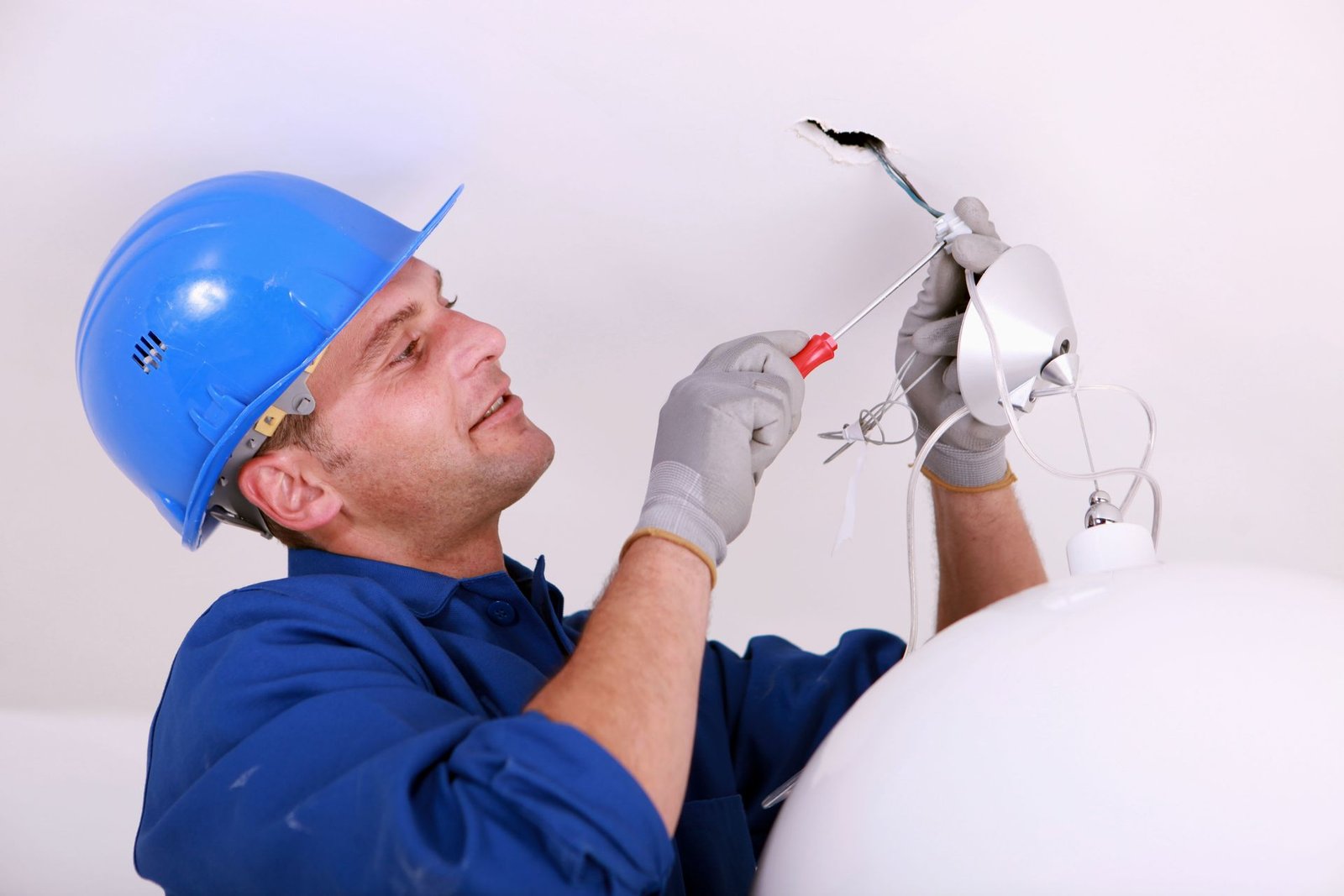
There’s a particular kind of home project that sits on your to-do list for far too long.
The loose cabinet handle. The damaged patch of drywall. The door that sticks when the weather changes. A shelf you bought months ago that’s still sitting in the box because, well, there never seems to be a good time to install it.
None of these jobs feels important enough to rearrange your whole week around. But together, they can make a house feel a little less finished.
This is where having reliable handyman support can make a real difference. Instead of spending every spare Saturday working through a growing list of repairs, homeowners can get several practical jobs handled efficiently, often in a single visit.
It’s not about making a home perfect. Homes aren’t meant to be perfect. They’re meant to be lived in. The goal is simply to keep things working properly and deal with the little problems before they become bigger ones.
Start With the Jobs You’ve Been Avoiding
Most homeowners have a mental list of unfinished projects.
You know the ones.
They’re usually small enough to postpone but annoying enough that you notice them every day.
A handyman can be useful for gathering these tasks together. Rather than scheduling separate appointments for every minor repair, you can often organize several jobs into one visit.
That might include repairing damaged walls, adjusting doors, replacing hardware, assembling furniture, fixing trim, installing shelves, or handling other general improvements.
Before the visit, walk around the property and write down everything you want addressed. Even seemingly insignificant items are worth mentioning.
You may discover that five small jobs can be handled much more efficiently when they’re planned together.
Good Work Starts With Knowing the Problem
It sounds obvious, but describing a problem accurately can save time.
Instead of saying, “The door is broken,” explain what it’s doing. Does it stick at the top? Does the latch fail to catch? Is the hinge loose? Does it only happen when the weather is humid?
The same idea applies to plumbing, drywall, cabinets, flooring, and exterior repairs.
A professional can investigate the issue, but useful information from the homeowner gives them a better starting point.
Sometimes what looks like a simple cosmetic problem has a deeper cause. A cracked wall may be related to movement. A damaged floor could have moisture underneath. A loose fixture might indicate deteriorating material.
Getting the diagnosis right matters.
Professional Work Should Look Like It Belongs There
There’s a noticeable difference between a repair that simply works and one that looks like it was always part of the home.
That difference often comes down to preparation and attention to detail.
For example, repairing a hole in drywall isn’t only about filling it. The surface needs to be blended, sanded, primed, and finished so the repair doesn’t stand out like a patch.
The same applies to trim, doors, cabinetry, and other visible features.
When work is carefully measured and properly finished, the result tends to disappear into the surrounding space. That’s what homeowners generally want.
The best professional results aren’t necessarily flashy. They’re the repairs you stop noticing because everything simply looks right.
Communication Is Part of Good Service
A handyman can be highly skilled and still create frustration if expectations aren’t clear.
Before work begins, discuss what needs to be repaired, what materials may be required, and whether there are any concerns about the existing structure.
Good clear communication also means discussing changes if something unexpected is discovered.
Suppose a contractor removes damaged trim and finds moisture underneath. The right response isn’t to quietly cover it back up. The homeowner should know what was found, why it matters, and what options are available.
Nobody likes surprise costs or surprise work.
A straightforward conversation early in the process can prevent both.
Small Repairs Can Protect a Home
It’s tempting to think of maintenance as purely cosmetic.
But some minor repairs can help protect the property.
A loose exterior board can allow water behind siding. Failed caulking can let moisture into vulnerable joints. A damaged threshold can create drafts or allow rainwater inside.
Even a small leak deserves attention.
Water has a way of finding the path of least resistance, and it doesn’t always stay where you can see it.
Handling small defects early doesn’t guarantee that every major problem will be avoided, but it can reduce unnecessary deterioration.
Don’t Turn Every Project Into a DIY Experiment
There are plenty of repairs homeowners can comfortably handle.
Changing a cabinet knob? Probably easy.
Touching up paint? Usually manageable.
Replacing a complicated fixture or trying to diagnose hidden water damage? That’s another story.
The internet makes almost every project look simple. Five minutes of video can make it seem like anyone can replace a fixture or modify a wall.
Real homes aren’t always that cooperative.
Older construction, unusual materials, hidden wiring, uneven surfaces, and previous repairs can complicate what appears to be a straightforward job.
Knowing when to ask for help is not a failure. It’s good judgment.
Preparation Makes Visits More Efficient
If you’re hiring someone for several small jobs, a little preparation can make the appointment go smoothly.
Clear furniture away from work areas. Remove personal items from shelves or cabinets that need repair. Make sure the person can access electrical panels, plumbing fixtures, doors, or exterior areas as needed.
If you’ve already purchased materials, keep receipts and product information available.
And make a list.
It sounds almost too simple, but written lists prevent forgotten jobs. That one loose hinge you remembered at breakfast can easily disappear from your mind by the time the repair visit is underway.
Think About the Whole Home
One advantage of having someone work through several repairs is that they may notice related issues.
A handyman repairing a door might spot damaged trim. Someone replacing a shelf might notice that the wall has moisture staining. A repair around a window could reveal deteriorating caulk.
This doesn’t mean every observation requires another project.
It simply gives you more information about the condition of your home.
You can decide what needs attention immediately and what can reasonably wait.
Safety Should Always Come First
General home repairs can involve ladders, tools, electrical components, sharp materials, heavy objects, and awkward working positions.
A task that looks harmless from the floor may be much different once you’re balancing on a ladder while trying to hold a power tool.
For homeowners, safety should be part of the decision about whether to tackle a project themselves.
If a repair involves significant electrical work, structural changes, major plumbing problems, roofing, or other specialized areas, the appropriate licensed or qualified professional should handle it.
A small saving isn’t worth a serious injury.
Build a Maintenance Habit
The easiest way to keep a home in good shape is not to wait until everything needs attention.
Instead, keep a running list.
When you notice a problem, write it down. When several items accumulate, decide which ones matter most and schedule them.
This approach takes some of the pressure out of home maintenance. You don’t have to remember every loose screw or chipped piece of trim.
It’s all on the list.
Over time, you may also notice patterns. Perhaps the same door needs adjustment repeatedly. Maybe moisture keeps appearing near one window. Those recurring problems deserve more investigation rather than endless temporary fixes.
A Little Help Can Give You Your Time Back
Homeownership comes with plenty of responsibilities. Repairs are part of the deal, but they don’t have to consume every free hour.
The value of a dependable handyman isn’t just the work itself. It’s the time, convenience, and peace of mind that come with knowing a growing list of small problems is being handled properly.
A well-repaired home feels different.
Doors close without a fight. Walls look finished. Shelves stay where they belong. Small problems don’t constantly sit in the back of your mind.
That’s the real benefit of good maintenance and repair work.
Not perfection.
Just a home that works a little better, looks a little more cared for, and gives you one less thing to worry about when the weekend finally arrives.