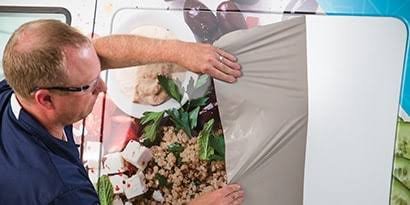
A vehicle says more than people sometimes realize. It can reflect personal taste, support a business image, or simply make the daily drive feel a little more enjoyable. For some owners, the factory paint is perfectly fine. For others, it feels like a blank canvas waiting for something different. That’s where modern wrapping and finishing options come into the picture.
Today’s vehicle wraps offer far more flexibility than many people expect. You can change the color, add a detailed brand design, create a temporary promotional look, or experiment with a finish that would be expensive and difficult to achieve through traditional paintwork. The challenge is choosing an option that fits the vehicle, the purpose, and the amount of maintenance you’re willing to handle.
A thoughtful decision at the beginning can save money and disappointment later. After all, the best finish isn’t necessarily the loudest one. It’s the one that works for your needs and still feels right after the initial excitement fades.
Understanding the Main Wrap Options
Vehicle wraps generally fall into a few broad categories. The most common include full color-change wraps, printed commercial wraps, partial wraps, decals, and specialty films. Each has its own strengths, appearance, and ideal use.
A full wrap covers most or all of the painted exterior. It’s a popular choice for people who want a dramatic transformation or businesses that want consistent branding across a vehicle. Partial wraps, meanwhile, focus on selected areas such as doors, hoods, roofs, or rear panels. They can create a strong visual effect without the cost of covering every surface.
Printed wraps are particularly useful for businesses because they allow detailed artwork, photographs, patterns, and branded layouts. A local bakery, for example, might use a delivery van with warm colors, product images, and a simple message. A technology company may prefer a cleaner design with geometric elements and a limited color palette.
The right option depends on what the vehicle needs to communicate—or how much of a change the owner actually wants.
Custom Graphics That Serve a Purpose
For commercial vehicles, design should always begin with the audience. Attractive artwork is helpful, but a wrap also needs to communicate quickly. A person passing a moving van may only have a few seconds to notice the logo, understand the service, and remember the company name.
Well-planned custom graphics can turn a vehicle into a useful marketing tool. These graphics may include a logo, business name, website, phone number, service list, slogan, or recognizable brand colors. The key is choosing only the information that matters most. Too many details can make the design difficult to read, especially from a distance.
Typography is important here. Small, decorative fonts may look stylish on a computer but become almost impossible to read on a moving vehicle. Bold lettering, clear spacing, and strong contrast usually work better. Contact details should be placed where they remain visible and should not be interrupted by door handles, seams, or body contours.
A good design also considers the vehicle’s shape. A graphic stretched across a curved panel may look distorted, while an image split between doors might lose its meaning when the doors open. Professional designers prepare artwork with these practical details in mind.
The Appeal of Solid Color Films
Not every vehicle needs a printed design. Sometimes, a clean color change is enough to create a completely new personality. A satin gray sedan, a gloss black SUV, or a deep metallic blue coupe can look refined without a single logo or graphic.
One increasingly popular option is solid color specialty films. These films allow vehicle owners to explore finishes and shades that may not have been available from the manufacturer. Depending on the product, choices can include matte, satin, gloss, metallic, pearl, brushed, or textured appearances.
A color-change wrap can be especially appealing to owners who want something distinctive but still understated. For instance, a satin finish can create a soft, modern appearance without the reflective shine of traditional gloss paint. Matte finishes offer a more muted look, though they often require more careful cleaning because certain stains and marks may be harder to remove.
Before choosing a color, it’s wise to view a physical sample rather than relying only on online images. Lighting, screen settings, and surrounding colors can change how a film appears. A shade that looks warm indoors may appear cooler in direct sunlight.
Considering Durability and Daily Use
A wrap is not completely maintenance-free. Its lifespan depends on the quality of the vinyl, installation, climate, washing habits, and exposure to sunlight. A vehicle parked outdoors every day may experience more wear than one kept in a garage.
High-quality films are designed to handle normal outdoor conditions, but they still need care. Harsh chemicals, abrasive brushes, pressure washing too closely around edges, and automatic car washes can shorten the life of the finish. Hand washing with mild soap and a soft cloth is often the safer choice.
The vehicle’s use should influence the material decision. A family SUV used for regular commuting may need a durable, easy-to-maintain finish. A promotional vehicle that travels between events might prioritize bold graphics and high visibility. A luxury or enthusiast vehicle may focus more on finish quality and paint protection.
It’s also important to understand that no wrap is invincible. Scratches, stone chips, accidents, and rough contact can damage vinyl just as they can affect paint. The advantage is that a damaged section may sometimes be repaired or replaced without refinishing the entire vehicle.
Installation Makes the Difference
Even the best film can look poor when installed carelessly. Wrinkles, bubbles, lifting edges, visible seams, and uneven cuts are usually signs of rushed work or inadequate preparation.
Before installation, the vehicle should be washed, degreased, dried, and inspected. Dirt or wax beneath the vinyl can interfere with adhesion. Damaged paint should also be discussed because peeling or weak surfaces may create complications during installation or removal.
Experienced installers understand how to work around curves, recessed panels, handles, mirrors, and trim. They know how to apply heat carefully, control tension, and position seams in less noticeable locations. These details may not be obvious in a quick online photograph, but they make a major difference in real life.
When choosing an installer, look for completed examples rather than relying only on promises. Ask about the vinyl brand, expected lifespan, warranty coverage, maintenance instructions, and removal process. A professional should be willing to explain the limitations as well as the benefits.
Balancing Cost With Long-Term Value
Price is naturally part of the decision, but the lowest quote may not represent the best value. Cheap material or rushed installation can lead to early fading, adhesive problems, lifting edges, or difficult removal. Fixing these issues may cost more than choosing quality work from the beginning.
Ask for a detailed estimate that explains what is included. Does the price cover surface preparation, removal of trim, installation, finishing, and post-installation inspection? Are repairs or replacement sections covered under the warranty? Clear answers can prevent misunderstandings later.
For businesses, the potential marketing value should also be considered. A well-designed vehicle can create repeated local visibility while traveling to jobs, making deliveries, or sitting outside a workplace. For private owners, the value may be personal: a refreshed appearance, a unique style, or temporary customization without permanently changing the factory paint.
Choosing a Finish You’ll Enjoy
The best vehicle finish is one that balances appearance, purpose, durability, and budget. Printed graphics can help a business stand out, while a solid color film can give a personal vehicle a completely different character. Partial wraps offer flexibility, and full wraps provide a more dramatic transformation.
Whatever option you choose, take time to compare materials, review design ideas, and select an installer with proven experience. A wrap should feel like an improvement, not a constant source of worry. When the right finish meets careful workmanship and sensible maintenance, a vehicle can look distinctive, professional, and genuinely personal for years to come.