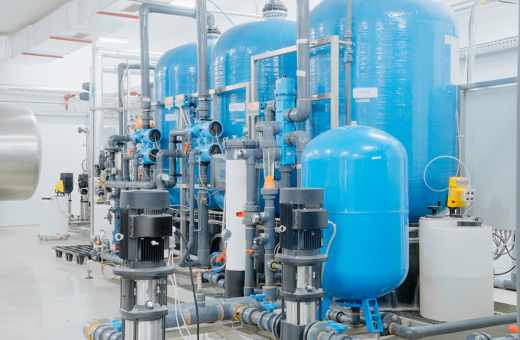
Water treatment equipment tends to live in the background. It sits in a basement, garage, utility room, or another quiet corner of the house while everyone gets on with their day. You don’t think much about it when the shower runs smoothly or the kitchen faucet delivers good-tasting water. In many ways, that lack of attention is a sign that everything is working as it should.
But water treatment systems don’t last forever. Components wear out, settings become outdated, and household water needs change. A system that worked perfectly ten years ago might now be using more salt, water, or energy than necessary. Sometimes the problem isn’t obvious until small annoyances start piling up.
Replacing or upgrading equipment can be an opportunity to make things simpler. The trick is not to chase every new feature. It’s to choose technology that matches your home, your water, and the way you actually live.
Start With the Problem, Not the Product
Walking into a showroom and choosing equipment based on appearance or a list of features is tempting. But water treatment doesn’t really work that way.
The first question should be: what needs to be fixed?
Your water may have excessive hardness, iron, sediment, chlorine, unpleasant odors, or another issue. Private well water can behave differently from municipal supplies, and even water from the same source can change over time.
A water test gives you a clearer starting point. It can help identify what is present and what isn’t. That’s important because adding treatment for a problem you don’t have is usually just unnecessary expense.
Once the water is understood, equipment selection becomes much more straightforward.
Technology Has Become More Efficient
Modern treatment equipment has come a long way. Better controls, improved valves, more precise programming, and smarter regeneration cycles can help systems operate more efficiently than older designs.
For homeowners replacing aging equipment, modern energy-efficient systems can be especially appealing when the existing setup has become expensive or wasteful to operate.
Still, efficiency isn’t simply about buying the newest model. An oversized system can waste resources just as an outdated one can. Proper sizing and programming matter enormously.
It’s similar to replacing an old refrigerator. A newer model may use less electricity, but if it’s twice the size you actually need, you’re not necessarily making the smartest choice.
Pay Attention to Household Water Demand
Water usage isn’t identical from one household to another.
A couple living in a small home may have very different requirements from a family of six. Morning showers, laundry, dishwashers, multiple bathrooms, and guests can all create periods of heavy demand.
A treatment system needs enough capacity to handle those moments without struggling.
At the same time, choosing far more capacity than necessary can increase upfront costs and sometimes affect operating efficiency. The goal is balance.
When evaluating a system, consider household size, water hardness, peak flow rate, daily water consumption, and whether your needs are likely to change in the near future.
Small Adjustments Can Make a Big Difference
Not every performance problem means you need new equipment.
Sometimes a system simply needs to be adjusted. Incorrect hardness settings, inefficient regeneration schedules, clogged filters, or worn components can make otherwise capable equipment behave poorly.
A professional inspection can help identify these issues.
If adjustments or repairs solve the problem, there may be no reason to replace the entire system. On the other hand, if several components are reaching the end of their useful life, continuing to repair one part after another may not be the most practical approach.
The key is to diagnose before spending.
Look Beyond Electricity Consumption
Efficiency gets associated with electricity, but water treatment involves several resources.
Salt consumption matters for traditional softening systems. Regeneration can consume water. Filters need replacement. Pumps and other equipment may affect energy use.
That’s why it’s useful to look at the complete operating picture rather than one number on a product specification sheet.
A system that uses slightly less electricity but requires frequent maintenance and replacement parts may not provide the practical savings you expected.
Ask about routine operating requirements. How often are filters replaced? How much water is used during regeneration? What kind of maintenance is recommended?
Those questions can tell you much more than a flashy feature list.
Maintenance Shouldn’t Become a Chore
Even reliable equipment needs basic care.
Filters eventually become loaded with sediment or other material. Moving parts can wear. Connections should occasionally be checked. Settings may need adjustment if household conditions change.
Fortunately, maintenance doesn’t have to be complicated.
Keep track of filter replacements and service visits. Set calendar reminders if necessary. And pay attention to changes in water taste, pressure, odor, or mineral buildup.
Those everyday clues can be surprisingly useful. Your home often tells you something is wrong before the equipment displays an obvious warning.
Know When an Upgrade Makes Sense
There are several situations where replacement becomes worth considering.
If your current system needs frequent repairs, uses excessive salt or water, has outdated controls, or no longer meets household demand, an upgrade may provide meaningful improvements.
A good replacement should improve performance without creating a new set of problems.
That means considering installation quality, equipment sizing, maintenance requirements, and compatibility with existing plumbing. The system should fit the house, not simply look impressive on a specification sheet.
If your current equipment is still young and functioning reliably, however, replacement may be unnecessary. Sometimes a repair or professional tune-up is all that’s needed.
Think About the Cost Over Several Years
The purchase price is only part of what a water treatment system costs.
Operating expenses, maintenance, replacement filters, salt, water consumption, and service all contribute to the long-term cost.
This is why homeowners should consider total ownership rather than focusing only on the initial installation quote.
A slightly more expensive system might make financial sense if it requires fewer resources and less frequent service. But don’t assume a higher price automatically means better value. The numbers should make sense for your actual household.
Ask for realistic estimates rather than broad promises.
Plan for Changes at Home
Your household today may not look the same five years from now.
Maybe you’re adding a bathroom. Perhaps children are growing and water demand is increasing. You could even be planning to sell the property eventually.
These changes don’t mean you need to dramatically oversize your equipment. But reasonable future planning can prevent you from choosing a system that becomes inadequate shortly after installation.
A good professional can help you think through likely changes without turning a straightforward purchase into an unnecessarily complicated project.
Better Water Treatment Can Be Quietly Valuable
The best home improvements aren’t always the ones guests notice immediately.
A well-designed water treatment system may never become a conversation piece. That’s okay. Its value can show up in smaller ways: more consistent water quality, fewer repairs, reduced resource consumption, and equipment that simply does what it’s supposed to do.
For some households, an upgrade may also help lower utility costs over time by reducing unnecessary water, salt, or energy consumption. The actual savings depend on the existing system, water conditions, household usage, and the equipment selected, so realistic expectations matter.
Ultimately, modernizing water treatment is less about having the fanciest technology and more about getting the fundamentals right.
Test the water. Understand the household demand. Choose equipment that fits. Keep it maintained. And don’t replace something simply because it’s old if it still performs well.
When those pieces come together, water treatment becomes what it should have been all along — something working quietly in the background, making everyday life a little easier without asking for much attention in return.