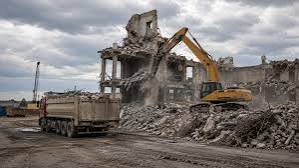
Every major project has a moment when the amount of debris becomes impossible to ignore. At first, it’s just a few pieces of drywall or an old cabinet sitting in the corner. Then the flooring comes up, walls are opened, fixtures are removed, and suddenly the job site has its own little mountain range of unwanted material.
That doesn’t necessarily mean the project is going badly. It means the waste needs a plan.
Debris removal is one of those parts of a project that can seem secondary until it starts getting in the way. Workers need room to move. Equipment needs access. Property owners don’t want loose materials scattered around. And nobody enjoys making repeated trips to a disposal facility with a pickup truck full of debris.
A properly planned dumpster can help keep all of that under control. But choosing a container is only the beginning. The type of material, project timeline, loading method, and disposal requirements all deserve some thought.
Start Planning Waste Before Work Begins
It’s tempting to focus entirely on the exciting part of a project: the new kitchen, the remodeled office, the cleared property, or the new structure.
Waste doesn’t feel quite as interesting.
Still, estimating debris before work begins can save considerable trouble later. Think about what will actually be removed. Will there be old flooring? Cabinets? Roofing? Drywall? Furniture? Yard debris? Concrete?
For larger construction projects, waste planning should happen alongside scheduling, material ordering, and site preparation.
You don’t need to predict every single piece of debris. A reasonable estimate is enough to start choosing the right disposal setup.
Demolition Produces a Different Kind of Waste
Demolition can generate an enormous amount of material in a surprisingly short period.
Removing a wall may produce drywall, wood, insulation, wiring, fixtures, and other components. Taking apart an old structure can create even more.
During demolition work, having a container close to the active work area can make cleanup considerably easier.
Instead of allowing debris to spread throughout the site, workers can move suitable material directly into the container. This helps keep walkways open and reduces the time spent moving debris multiple times.
However, demolition also requires extra caution. Older buildings may contain materials that require specialized handling, so never assume everything can simply go into a standard dumpster.
Property Cleanouts Can Be Deceptively Large
A property can look relatively empty and still contain an enormous amount of waste.
Garages, sheds, attics, closets, basements, and storage rooms tend to reveal things that haven’t been touched in years.
That’s why property cleanouts often take longer than expected. Furniture, appliances, boxes, old equipment, and miscellaneous household items add up quickly.
Before disposal begins, separate items that can be donated, sold, recycled, or reused. This can reduce the final waste volume and keep useful materials out of the disposal stream.
It also makes the cleanup feel more purposeful. You’re not just throwing things away; you’re deciding what deserves another life and what doesn’t.
Choose Container Capacity Carefully
Dumpster size should reflect both the volume and type of debris.
Bulky but lightweight materials can fill a container quickly. Dense materials can reach weight limits before the container looks full.
If you’re removing concrete, brick, soil, tile, or roofing materials, tell the provider before selecting a container.
For mixed debris, think about the overall project rather than one room or one day’s work.
If you’re uncertain, describe the job in detail and ask what capacity would be appropriate. A provider familiar with similar projects can often offer useful guidance.
Weight Can Be More Important Than Volume
People naturally think in terms of how much space debris takes up.
But weight can become the bigger issue.
A container filled with cardboard might be large but relatively light. A much smaller pile of concrete could weigh significantly more.
This matters because dumpsters and hauling equipment have weight limits.
Overloading a container can create safety concerns and may result in additional charges. More importantly, it can make transportation more difficult.
If you’re working with heavy debris, plan for it from the beginning instead of discovering the problem when the container is ready for pickup.
Placement Affects Productivity
The location of the dumpster can influence how efficiently a project runs.
Place it close enough to the work area that employees or contractors aren’t carrying debris unnecessarily far. At the same time, keep it away from areas where heavy equipment needs to operate.
Make sure the delivery truck has enough room to access the location. Look for overhead branches, utility lines, narrow gates, and other obstacles.
For residential projects, protect driveways and avoid blocking access to garages or neighboring properties.
A few minutes spent considering placement can save hours of unnecessary carrying.
Load Debris With Some Strategy
A dumpster isn’t a bottomless box.
How you load it affects how much you can actually fit.
Break down bulky items where practical. Flatten cardboard. Dismantle furniture or cabinets when it can be done safely.
Distribute heavy materials instead of placing all of them in one concentrated area.
At the same time, don’t prioritize squeezing in more material over safety. Never climb into a dumpster to rearrange debris, and don’t allow materials to extend dangerously above the permitted fill line.
Efficient loading is useful. Reckless loading isn’t.
Separate Reusable and Recyclable Materials
Not every unwanted item needs to become waste.
Construction projects often produce scrap metal, clean cardboard, wood, fixtures, and other materials that may have reuse or recycling opportunities.
During a property cleanout, furniture and appliances may still be functional.
Create separate areas for materials that might be donated or recycled before the dumpster begins filling. Once everything is mixed together, separating it becomes much harder.
Local recycling rules vary, so check what facilities actually accept.
Be Careful With Restricted Materials
Certain materials require special disposal.
Paints, chemicals, batteries, fuels, pesticides, tires, electronics, and hazardous substances may not belong in ordinary dumpsters.
Construction and demolition projects can also uncover older materials that require professional assessment or specialized removal.
If you don’t know whether something is acceptable, stop and ask.
It’s far better to spend five minutes checking than to create a disposal problem that could affect workers, collection crews, or the environment.
Keep the Worksite Tidy
A dumpster can contain waste, but it won’t automatically keep the entire site clean.
Debris around the container can become a trip hazard. Nails, broken glass, sharp metal, and loose boards can create obvious risks.
Make cleanup part of the daily workflow.
At the end of each workday, move suitable debris into the container and clear walkways. Keep tools and materials separate from waste.
A clean site isn’t just nicer to look at. It helps workers move around safely and makes the next day’s work easier.
Temporary Projects Need Flexible Planning
Not every project follows the original schedule.
Weather delays construction. Materials arrive late. Demolition uncovers unexpected problems. A property cleanout reveals another room nobody remembered.
If the dumpster rental is temporary, understand how long the container can remain on-site and what happens if the project takes longer.
Likewise, if debris accumulates faster than expected, ask about additional pickups or container exchanges.
The sooner you communicate a change, the easier it usually is to adjust the plan.
Think About the Entire Timeline
Waste is created from the first day of demolition until the final cleanup.
Consider how the volume might change throughout the project.
Early demolition may create a large amount of debris. Mid-project work might generate packaging and construction scraps. Final cleanup may produce smaller household or landscaping materials.
Planning for these stages can help determine whether one container will be enough or whether different arrangements make more sense.
For larger projects, multiple containers or scheduled exchanges may be more practical than trying to handle everything at once.
Don’t Let Waste Become an Afterthought
The most successful cleanup plans aren’t complicated.
They simply begin early.
Estimate the amount of debris. Understand what materials you’ll be removing. Choose a suitable container. Plan where it will sit. Follow disposal rules and keep reusable or recyclable materials separate when practical.
Then keep an eye on the project as it develops.
If the original plan no longer fits, adjust it.
There’s no reason to let an outdated waste plan slow down an otherwise productive job.
A Cleaner Job Site Is a Better Job Site
Construction, demolition, and property cleanouts are naturally messy. That’s part of the process.
But messy doesn’t have to mean disorganized.
A well-positioned dumpster gives workers a clear destination for debris. A realistic capacity estimate prevents overflowing containers. Proper sorting can reduce unnecessary disposal, while basic safety practices protect everyone involved.
Most importantly, good waste planning keeps the debris from becoming the main character of the project.
The goal is to finish the work, not spend every afternoon wondering where to put the next pile of material.
When the final debris is hauled away and the space finally opens up, there’s a certain satisfaction in seeing the result. The clutter is gone. The work is visible. The property can move on to its next chapter.
And that, really, is what good debris management is supposed to accomplish: making room for what’s coming next.