Every few months another big company announces a CSR initiative — tree plantation drives, education programs, disaster relief funds. Some of these are genuine, some are clearly for PR. Understanding what Corporate Social Responsibility actually means, beyond the press release, helps you tell the difference and maybe even build a more genuine version of it in your own company.
I remember visiting a mid-sized manufacturing company that quietly funded a local school’s science lab for years, without ever putting out a press release about it. That felt more like real CSR than a lot of the loudly-marketed campaigns I’ve seen from much bigger names.
What Is Corporate Social Responsibility, Really?
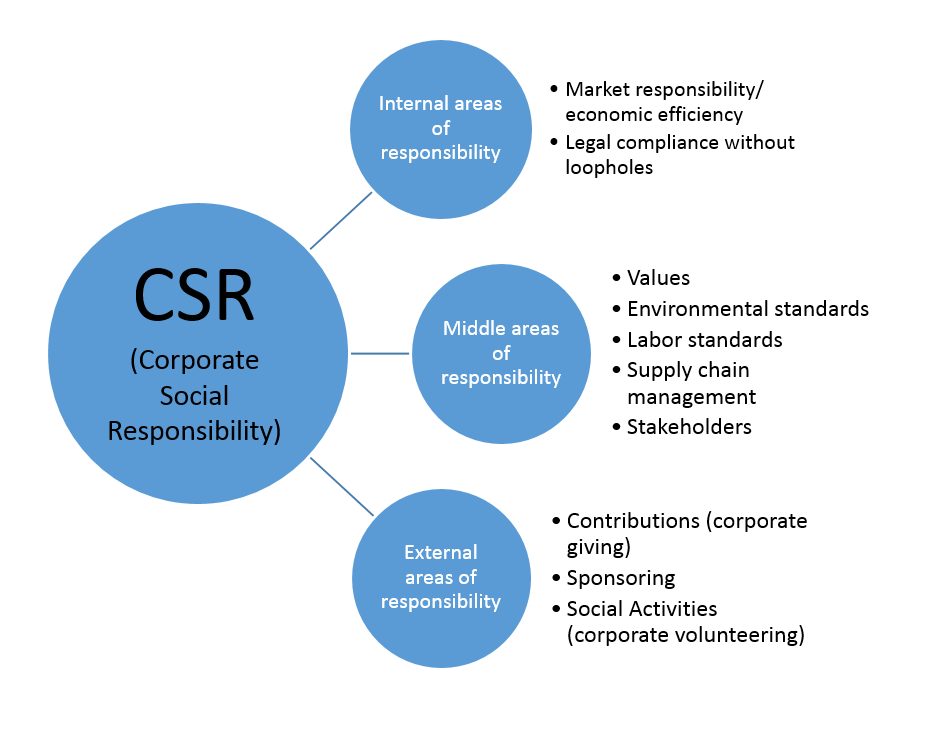
Corporate Social Responsibility (CSR) refers to a company’s commitment to operating in ways that benefit society, beyond just generating profit — this can include environmental practices, community welfare, ethical labor practices, and charitable contributions.
In India, it’s not entirely voluntary either — companies above a certain financial threshold are legally required to spend on CSR under the Companies Act, 2013.
The Legal Side in India
Under Section 135 of the Companies Act, companies meeting specific net worth, turnover, or profit thresholds must spend at least 2% of their average net profit over the past three years on CSR activities.
This turned CSR from a purely optional gesture into a structured obligation for eligible companies — a fairly unique approach compared to many other countries.
Common Categories of CSR Activities
- Environmental sustainability — reducing carbon footprint, waste management, renewable energy adoption
- Education initiatives — scholarships, school infrastructure, skill development programs
- Healthcare access — funding clinics, health camps, awareness drives
- Poverty alleviation and rural development
- Gender equality and women’s empowerment programs
- Disaster relief and rehabilitation support
Real Examples Worth Knowing
Corporate Social Responsibility looks different depending on the industry and company size:
- A textile company investing in water treatment facilities near its manufacturing units
- An IT company running coding bootcamps for underprivileged students
- A retail chain partnering with local farmers for sustainable sourcing
- A bank funding financial literacy programs in rural areas
Why CSR Matters Beyond Compliance
Companies that genuinely engage with CSR — not just to check a legal box — often see real business benefits too: stronger brand trust, better employee morale, and improved relationships with local communities where they operate.
That said, I’ll be honest — plenty of CSR spending in India goes toward projects chosen more for visibility than actual impact. It’s worth being a little skeptical of press releases alone.
How Companies Can Make CSR More Genuine
- Involve employees directly in CSR programs, not just the finance department writing checks
- Choose causes connected to the company’s actual operations or expertise
- Measure real outcomes, not just money spent
- Partner with credible NGOs with track records, rather than one-off vanity projects
Small Businesses and CSR
CSR isn’t only for large corporations. Small businesses can build community goodwill through local sponsorships, employee volunteer time, or ethical sourcing practices — even without the legal obligation.
FAQ
Is CSR mandatory for all companies in India? No, only companies meeting specific thresholds for net worth, turnover, or net profit as defined under the Companies Act, 2013 are legally required to spend on CSR.
What percentage of profit must companies spend on CSR? Eligible companies must spend at least 2% of their average net profit from the preceding three financial years.
Can CSR spending include employee salaries for related work? Certain administrative overheads are permitted within limits, but CSR spending is primarily meant for the actual activities and programs, not general operational costs.
Does CSR actually improve a company’s reputation? Genuine, consistent CSR work does tend to build trust over time, though poorly executed or purely promotional CSR can sometimes backfire and appear insincere.
What happens if a company doesn’t meet its CSR spending obligation? Unspent CSR funds must typically be transferred to a specified government fund or carried forward for ongoing projects, and companies must disclose reasons for non-compliance in their annual reports.
[link to related guide about corporate culture here]
Conclusion
Corporate Social Responsibility in India has moved from being a nice-to-have to a structured, partly legal obligation — but the companies that get real value from it are the ones treating it as genuine commitment rather than a compliance checkbox. Whether you’re running a large company navigating Section 135 requirements or a small business looking to give back locally, the principle stays the same: choose causes you actually care about, and measure real impact, not just spending.