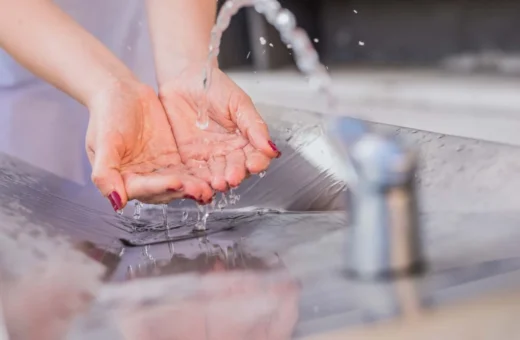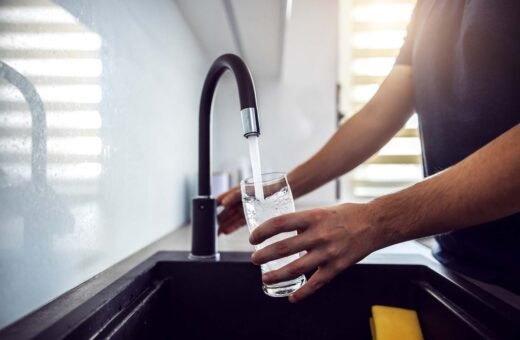
Water plays a part in almost everything we do at home. We drink it, cook with it, wash our clothes, clean our kitchens, and rely on it for showers every day. Because it is such a familiar part of life, it’s easy to overlook changes in water quality until something becomes noticeable. Perhaps the water tastes different, soap doesn’t seem to lather properly, or stubborn white marks begin appearing around faucets and showerheads.
These little signs can be frustrating, but they may also be useful clues. Water quality differs between properties, and the right solution depends on what’s actually happening. Instead of buying equipment based on guesswork, homeowners can take a more practical approach: understand their water, investigate concerns, and choose treatment options that suit their household.
Why Water Quality Deserves Attention
Water that looks clear isn’t necessarily free from every substance that may affect its quality. Some issues are easy to spot, such as sediment or an unusual odor. Others require proper testing to identify. The source of the water, the condition of the plumbing, and the surrounding environment can all influence what comes through the tap.
Municipal water suppliers generally treat drinking water before distributing it to homes. However, water may still be affected by plumbing materials or changes within a property’s pipes. Private wells require particular attention because groundwater conditions can vary, and contamination may not produce an obvious change in appearance or taste.
Hard water is another common concern. It contains higher concentrations of minerals such as calcium and magnesium. These minerals are not generally considered harmful at typical levels, but they can leave scale on fixtures, make cleaning more difficult, and build up inside water heaters and other appliances over time.
Understanding the difference between these issues matters. A water softener is designed primarily to address hardness, while filtration systems target particular particles or substances. No single product is the ideal answer for every water problem.
Start With a Water Test
When something seems unusual, testing is often a sensible first step. Rather than assuming that a smell, taste, or stain has one specific cause, a test can help identify which factors deserve further attention.
A free water test can be a convenient way to begin learning about your household water, particularly when offered by a local water treatment provider. Before arranging one, ask what the assessment includes, which parameters are checked, and whether samples are tested using laboratory methods or screening equipment. The word “free” describes the price of the service, not necessarily the range or depth of testing.
For homeowners with private wells, appropriate testing may include bacteria, nitrates, and other substances based on local guidance and potential risks. The right testing schedule depends on the well and local recommendations. Additional testing may be needed after flooding, repairs, changes in water quality, or other events that could affect the supply.
Households using municipal water may also want to investigate concerns related to taste, odor, plumbing, or mineral buildup. Reviewing the supplier’s water quality report can provide useful background information, although it cannot confirm every condition inside an individual home.
A useful test should lead to understandable information. Ask for an explanation of the results, including any limitations, and find out whether further testing is recommended before purchasing treatment equipment.
Getting Advice From a Water Specialist
Water treatment can feel complicated at first. There are different filter types, softeners, reverse osmosis systems, and whole-home solutions, each with its own purpose. It’s easy to get lost in product descriptions, especially when several options appear to promise similar results.
A qualified water specialist can help interpret test findings and explain which solutions are appropriate for the conditions identified. Good advice should start with your water quality and household needs, not a sales pitch for the most expensive equipment.
For example, a family dealing with mineral deposits may benefit from a properly sized water softener. Someone concerned about drinking water taste might consider an activated carbon filter, depending on the cause. Reverse osmosis may be appropriate for certain dissolved substances, but it isn’t necessary for every household.
There are a few practical questions worth asking during a consultation. What does the proposed system remove or reduce? Is there independent certification for the claims being made? How often will filters or other components need replacing? Will installation require changes to existing plumbing? What are the expected maintenance costs?
A trustworthy professional should be willing to answer these questions in straightforward language. They should also explain when a proposed system won’t solve a particular issue. Clear advice helps homeowners make decisions with confidence rather than feeling pressured to buy immediately.
Choosing Equipment That Fits Your Household
The right water treatment system should reflect actual water conditions, the number of people living in the home, and everyday water use. A small household with one specific concern may need a different setup from a larger family using water throughout the property.
Point-of-use systems treat water at a particular location, such as the kitchen sink. Whole-home systems treat water as it enters the house, which can be useful when the issue affects multiple fixtures. However, broader coverage doesn’t automatically make a system better. It should be selected because it addresses a demonstrated need.
Budget is another consideration. The initial purchase price is only one part of the cost. Replacement cartridges, salt, electricity, water usage, servicing, and repairs can add to the total over time. Ask for a clear estimate and compare systems based on their expected performance and ongoing requirements.
It’s wise to be cautious about sweeping claims. Treatment equipment should be matched to the substances it is designed to address, and its performance depends on correct installation and maintenance. If a provider claims that one device removes every possible contaminant, ask for supporting evidence and independent certification where available.
Maintenance Makes a Difference
Even a well-chosen system needs care. Filters eventually reach the end of their useful life, softeners require routine attention, and some units need periodic cleaning or component replacement. Ignoring maintenance can reduce performance and may lead to problems that are more expensive to fix later.
Follow the manufacturer’s instructions and keep a record of filter changes, servicing, and test results. Watch for changes in water pressure, taste, or odor, as well as any return of the original problem. These signs don’t always mean the equipment has failed, but they are worth investigating.
If the water changes suddenly or contamination is suspected, don’t rely on treatment equipment alone. Contact the appropriate water supplier or local public health authority for guidance. For private wells, arrange suitable testing and follow official advice about whether the water is safe to drink.
Take the Next Step Toward Better Water
Improving water quality doesn’t have to start with a major purchase. Often, the best first move is simply asking the right questions. Learn where your water comes from, identify the concerns you have noticed, and seek reliable information before choosing a solution.
If you’d like help understanding your options, contact us now to discuss your water quality concerns, ask about available testing, or learn more about suitable treatment systems. Before booking, confirm what the consultation covers and whether any additional testing or service fees may apply.
Good water management is an ongoing process, not a one-time decision. With appropriate testing, informed advice, and regular maintenance, homeowners can make practical choices that support their daily routines and help protect plumbing and appliances. Most importantly, they’ll have a clearer understanding of their water and what it takes to manage it responsibly.