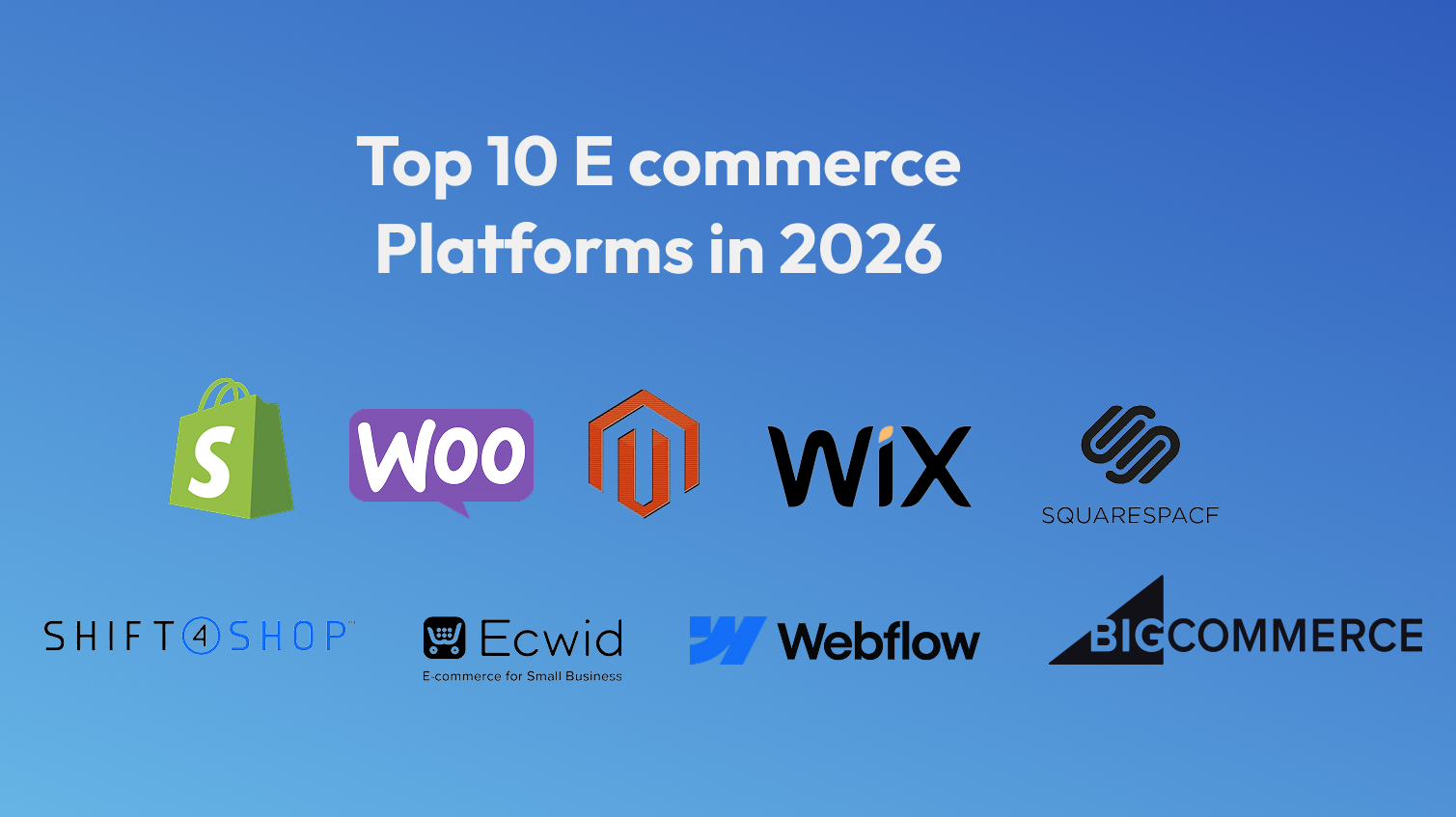
Picking a platform is usually the first real decision new online sellers face, and honestly, it trips up a lot of beginners who spend weeks comparing features instead of just getting started. This comparison of the best e-commerce platforms cuts through the noise and focuses on what actually matters for someone starting out.
I’ve set up stores on three different platforms over the years for different clients, and the “best” one genuinely depends on your specific situation — budget, technical comfort, and product type all matter more than which platform has the flashiest features.
Shopify: The Popular All-Rounder
Shopify is probably the most recommended platform for a reason — it’s relatively easy to set up, has a huge library of apps and themes, and handles most of the technical heavy lifting for you.
- Strong for beginners who don’t want to deal with hosting or technical setup
- Monthly subscription cost, which adds up over time
- Excellent app ecosystem for adding features like reviews, upsells, and email marketing
WooCommerce: The Flexible, Budget-Friendly Option
WooCommerce runs on WordPress and offers more customization at a lower base cost, though it requires a bit more technical comfort (or a willingness to learn).
Among the best e-commerce platforms, this one suits sellers who already have some WordPress familiarity or want more control without paying ongoing platform fees.
- Lower ongoing costs since it’s essentially free plus hosting
- More flexibility for customization
- Steeper learning curve compared to Shopify’s more guided setup
Marketplaces: Amazon, Flipkart, Meesho
Rather than building your own store, selling directly on established marketplaces gets you in front of existing, ready-to-buy traffic immediately.
- Amazon and Flipkart suit sellers with established products and decent margins to absorb marketplace fees
- Meesho works well for social-selling and reseller-driven models, with lower entry barriers
- You lose some brand control and pay commission, but gain massive existing traffic
Instagram and WhatsApp Business (For Very Early Stage)
For testing an idea before investing in a full platform, simply selling through an Instagram shop or WhatsApp Business catalog works surprisingly well. It’s essentially free and lets you validate demand before committing to a paid platform.
Wix and Squarespace: Simpler, Design-Focused Options
These platforms lean more toward simplicity and visual design, which suits sellers with smaller catalogs who prioritize a clean, attractive storefront over deep e-commerce functionality.
Comparing Costs Realistically
| Platform | Typical Monthly Cost | Best For |
| Shopify | ₹2,000-₹8,000+ | Beginners wanting guided setup |
| WooCommerce | Hosting cost only (~₹500-₹2,000) | Budget-conscious, technically comfortable sellers |
| Marketplaces | Commission-based (no fixed fee) | Sellers wanting instant traffic access |
| Instagram/WhatsApp | Free | Very early-stage idea validation |
What Actually Matters When Choosing
Beyond the platform itself, think about:
- How comfortable are you with technical setup, honestly?
- Do you want full brand control, or is faster traffic access more important right now?
- What’s your realistic monthly budget for platform costs alone?
There’s no universally “best” choice among the best e-commerce platforms — only the one that fits your specific stage and resources right now.
Starting Simple and Upgrading Later
Plenty of successful sellers started on a marketplace or even Instagram, validated demand, and only built a dedicated Shopify or WooCommerce store once they had consistent orders. There’s no rule that says you need the “perfect” platform from day one.
FAQ
Which e-commerce platform is cheapest for beginners? WooCommerce tends to be the cheapest ongoing option since you’re mainly paying for hosting, while Instagram/WhatsApp selling is essentially free for very early testing.
Is Shopify worth the monthly cost for a small business? For many beginners, yes — the ease of setup and built-in features often save enough time and hassle to justify the subscription, especially in the early months.
Can I sell on multiple platforms at the same time? Yes, many sellers use a combination — a marketplace for traffic, alongside their own Shopify or WooCommerce store for brand building and better margins.
Do marketplaces like Amazon take a large commission? Commission rates vary by category but typically range from around 5% to 20%, plus other fees like shipping and storage, depending on the specific marketplace and product type.
Should beginners start with their own website or a marketplace first? Many beginners find it easier to start on a marketplace or social selling for faster traction, then build a dedicated store once demand is proven.
[link to related guide about how to start an e-commerce business here]
Conclusion
Among the best e-commerce platforms, the right choice depends far more on your budget, technical comfort, and current stage than any single platform being objectively superior. Start with whichever option lets you test your product with real customers fastest — even if that’s just Instagram or WhatsApp to begin with — and upgrade to a dedicated platform once you’ve proven there’s genuine demand.