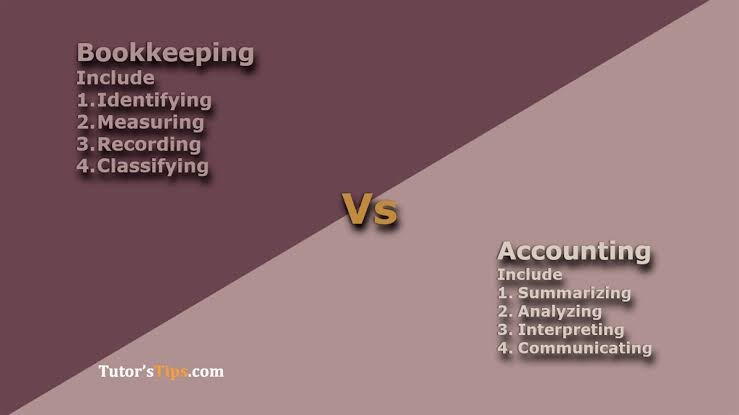
“I need an accountant” and “I need a bookkeeper” get used interchangeably all the time, but they’re genuinely different roles with different scopes. Understanding the difference between bookkeeping and accounting saves you from either overpaying for services you don’t need, or underhiring for tasks that actually require more expertise.
A friend running a small design studio once hired a chartered accountant to do her daily invoice entries — expensive, unnecessary, and honestly a bit of a waste of a skilled professional’s time. A bookkeeper would have handled that perfectly well at a fraction of the cost.
What Is Bookkeeping?
Bookkeeping is the day-to-day process of recording financial transactions — sales, purchases, receipts, payments — in an organized, consistent way.
It’s largely administrative and transactional. A bookkeeper’s job is accuracy and consistency in recording, not analysis or strategy.
What Is Accounting?
Accounting takes bookkeeping data and turns it into meaningful information — financial statements, tax filings, analysis, and strategic recommendations.
Accountants interpret what the numbers mean and help business owners make decisions based on that interpretation.
Key Differences at a Glance
| Aspect | Bookkeeping | Accounting |
| Focus | Recording transactions | Analyzing and interpreting data |
| Skill level | Basic to intermediate | Requires formal qualification (CA/CPA in many cases) |
| Output | Organized transaction records | Financial statements, tax filings, insights |
| Frequency | Daily/weekly | Monthly/quarterly/annually |
What a Bookkeeper Actually Does
- Records daily sales and purchases
- Manages invoices and receipts
- Reconciles bank statements
- Maintains ledgers and basic reports
This work is essential but doesn’t typically require a professional accounting qualification — many small businesses handle this in-house or hire a part-time bookkeeper.
What an Accountant Actually Does
The difference between bookkeeping and accounting becomes clearer when you look at what accountants specifically handle:
- Preparing financial statements (P&L, balance sheet, cash flow)
- Tax planning and filing
- Financial analysis and forecasting
- Advising on business structure, compliance, and growth strategy
- Auditing (for qualified chartered accountants)
When Do You Need Just a Bookkeeper?
If you’re a small business with straightforward transactions — a retail shop, a freelancer, a small service business — a good bookkeeper (or bookkeeping software with your own oversight) is often enough for daily financial management.
When Do You Need a Full Accountant?
As your business grows in complexity — multiple revenue streams, employees, loans, investors, or more complicated tax situations — you’ll need an accountant’s expertise for compliance, strategic planning, and accurate reporting.
Many businesses use both: a bookkeeper for daily entries, and an accountant periodically for review, tax filing, and strategic guidance.
Can One Person Do Both Jobs?
Yes, particularly in small businesses. Many chartered accountants also handle bookkeeping for smaller clients, and some experienced bookkeepers gradually take on more accounting-adjacent responsibilities. But the skill sets and required qualifications genuinely differ.
FAQ
Is bookkeeping cheaper than hiring an accountant? Generally yes — bookkeeping is a more administrative task and typically costs less than the analytical and advisory work accountants provide.
Can I do my own bookkeeping using software? Absolutely — tools like Zoho Books, QuickBooks, or Tally make basic bookkeeping manageable for business owners without formal accounting training.
Do I need a chartered accountant for tax filing, or can a bookkeeper do it? Tax filing, especially for businesses, generally requires an accountant’s expertise, particularly for anything beyond very simple returns.
How often should a small business update its books? Weekly is ideal for most small businesses, though very active businesses may benefit from daily updates to avoid backlog.
What happens if I only do bookkeeping and skip proper accounting? You’ll have organized records, but you’ll miss out on the analysis, tax planning, and strategic insight that proper accounting provides — which can cost you more in missed opportunities or compliance issues.
[link to related guide about basic accounting principles here]
Conclusion
Knowing the difference between bookkeeping and accounting helps you hire the right expertise at the right stage of your business, without overspending or under-preparing. Bookkeeping keeps your daily records clean; accounting turns those records into real financial understanding and strategy. If you’re just starting out, get your bookkeeping system in place first — the accounting conversations become a lot easier once your records are already organized.