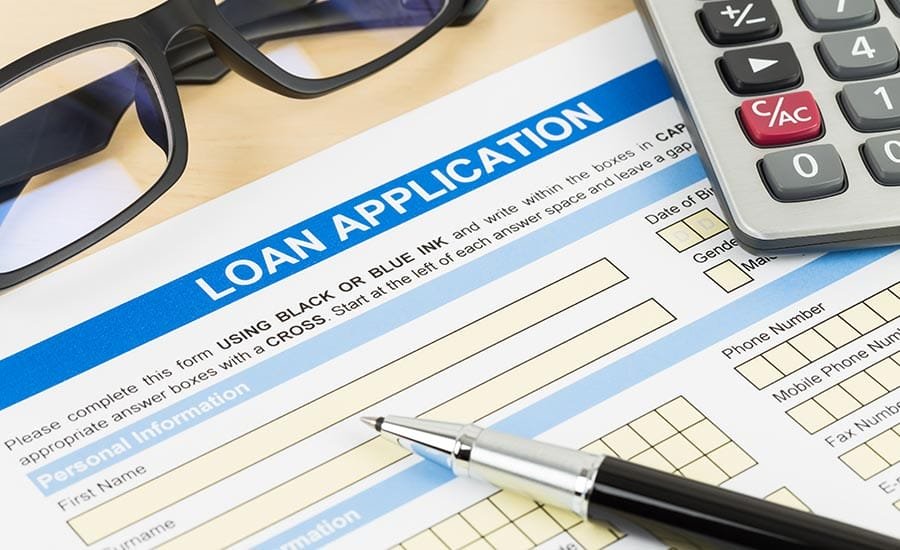
At some point, most growing small businesses need more capital than what’s sitting in the bank account — new equipment, inventory, or simply managing cash flow during a slow season. Understanding how to get a small business loan properly can be the difference between a smooth approval and months of frustrating rejections.
A shop owner I know applied for a loan three separate times before getting approved, mostly because his documentation was disorganized the first two times. Once he actually prepared everything properly, the fourth application went through in under two weeks.
Understand the Different Types of Small Business Loans
Not all loans work the same way, and picking the right type matters as much as qualifying for one.
- Term loans — a lump sum repaid over a fixed period, good for one-time investments like equipment
- Working capital loans — shorter-term financing for day-to-day operational needs
- MUDRA loans — government-backed loans specifically for small and micro businesses, often collateral-free
- Line of credit — flexible borrowing up to a limit, used as needed rather than all at once
Check Your Eligibility Before Applying
How to get a small business loan starts with an honest assessment of whether you actually qualify, which saves time and unnecessary rejections.
- Most lenders check business vintage — many require at least 1-2 years of operation
- Your credit score (both personal and business, if applicable) matters significantly
- Existing debt and repayment history get reviewed closely
- Annual turnover and profitability are assessed against loan amount requested
Documents You’ll Typically Need
- Business registration proof (GST certificate, Udyam registration, etc.)
- Bank statements for the last 6-12 months
- Income tax returns for the past 2-3 years
- KYC documents (PAN, Aadhaar) for the business owner
- Financial statements — profit & loss and balance sheet, if available
Choosing the Right Lender
Banks, NBFCs, and government schemes each have different requirements, interest rates, and processing times.
- Public sector banks often have lower interest rates but slower processing
- NBFCs typically process faster but at somewhat higher interest rates
- Government schemes like MUDRA offer collateral-free loans up to ₹10 lakh for eligible micro businesses
Improving Your Chances of Approval
How to get a small business loan approved faster often comes down to preparation rather than luck:
- Keep your credit score healthy before applying — pay existing debts on time
- Maintain clean, organized financial records well before you need the loan
- Apply for a realistic amount based on your actual repayment capacity
- Have a clear purpose and plan for how the loan will be used
The Application Process, Step by Step
- Research and shortlist 2-3 suitable lenders based on your business profile
- Gather all required documents in advance, organized clearly
- Submit your application, either online or through a branch visit
- Respond promptly to any follow-up document requests
- Review loan terms carefully before accepting — check interest rate, tenure, and any hidden fees
Common Reasons Loan Applications Get Rejected
- Poor or inconsistent credit history
- Insufficient or disorganized documentation
- Requesting a loan amount that doesn’t match business turnover realistically
- High existing debt relative to income
Government Schemes Worth Exploring
Beyond MUDRA, schemes like the Credit Guarantee Fund Scheme for Micro and Small Enterprises (CGTMSE) and Stand-Up India offer collateral-free or subsidized financing options specifically designed for small businesses, particularly first-time entrepreneurs.
FAQ
How long does it take to get a small business loan approved in India? It varies by lender, but typically ranges from a few days for smaller NBFC loans to a few weeks for larger bank loans, assuming documentation is complete.
Can I get a small business loan without collateral? Yes, government schemes like MUDRA loans offer collateral-free financing up to ₹10 lakh for eligible micro and small businesses.
What credit score is needed for a small business loan? Most lenders prefer a credit score of 700 or above, though some NBFCs and government schemes have more flexible requirements for newer businesses.
Is it better to get a loan from a bank or an NBFC? Banks generally offer lower interest rates but slower processing, while NBFCs process faster with somewhat higher rates — the right choice depends on your urgency and cost sensitivity.
Can a brand-new business with no operating history get a loan? It’s more difficult, though not impossible — options like MUDRA’s Shishu category (for very small loan amounts) and Stand-Up India are specifically designed to support newer businesses.
[link to related guide about basic accounting principles here]
Conclusion
Knowing how to get a small business loan really comes down to preparation — understanding which loan type fits your need, keeping your documentation and credit history clean, and applying for a realistic amount. Start by pulling together your last year of financial records this week, even before you’ve picked a lender, since organized documentation is what actually speeds up approval. A little preparation upfront saves a lot of back-and-forth later.