Water treatment is one of those home improvements that tends to get noticed only when something isn’t working quite right. Maybe the shower has developed stubborn mineral deposits, the water tastes different, or you’re tired of constantly replacing filters that never seem to last.
Choosing a treatment system is one part of the process. Keeping it working properly is another.
And honestly, the second part deserves more attention than it usually gets.
A good water treatment setup should fit naturally into your household. It should address the actual water-quality issues you have, work with your plumbing, and be manageable over the years. Whether you’re starting from scratch or upgrading an older system, thinking beyond the initial purchase can save plenty of frustration later.
Start With the Water, Not the Equipment
Before looking at products, figure out what you’re dealing with.
Water can contain hardness minerals, sediment, iron, sulfur compounds, or other substances that affect taste, odor, fixtures, appliances, or drinking-water quality. Some issues are obvious, while others require testing.
A water test is often a sensible first step.
Testing gives you a clearer picture of what needs attention and can prevent you from spending money on equipment that doesn’t actually solve your problem. A household dealing primarily with hard water has different needs from one concerned about drinking-water contaminants.
It’s a small distinction, but it makes a big difference.
Think About How the System Will Fit Your Home
Once you know what needs to be addressed, consider the practical side of the project.
Where will the equipment go? Is there enough space? Is a drain nearby? Does the plumbing need modification? What happens if a filter needs to be changed or a component needs servicing?
These questions aren’t glamorous, but they’re important.
Professional water system installation and support can help make sure equipment is correctly connected, properly sized, and accessible for future maintenance.
A system that works well on paper can still become a headache if it’s installed in an awkward location or doesn’t fit comfortably into the home’s plumbing setup.
Don’t Ignore Water Usage
Household water demand varies more than people realize.
A family of six with several bathrooms will use water very differently from a couple living in a smaller home. Morning showers, laundry, dishwashing, and other peak-use periods can place considerable demand on a treatment system.
That’s why system sizing matters.
An undersized system may struggle during periods of heavy use. An oversized system, meanwhile, can cost more than necessary.
The goal isn’t to buy the largest equipment available. It’s to choose equipment that matches your actual household demand.
Salt-Based Systems Need a Little Planning
If you use a traditional water softener, salt management becomes part of regular household maintenance.
Running out of salt can interrupt the system’s normal operation, which isn’t something you want to discover when you’re already halfway through a shower.
Some homeowners prefer to handle this themselves. Others simply don’t want another chore on the list.
That’s where salt delivery programs can be useful. Scheduled delivery can help keep the necessary supply available without requiring homeowners to remember when the next refill is due.
It may seem like a small convenience, but small conveniences are exactly what make home systems easier to live with.
Maintenance Keeps Small Issues Small
No treatment system is completely maintenance-free.
Filters need replacement. Softener components need attention. Connections may need inspection. Other equipment may have specific service requirements based on its design.
The good news is that regular maintenance is usually much easier than dealing with a neglected system after performance has already declined.
Create a simple maintenance schedule. Mark filter replacement dates on your calendar. Check consumable supplies. Pay attention to changes in taste, odor, pressure, or water appearance.
If something suddenly feels different, don’t ignore it for months.
Your Water Conditions Can Change
Even if your water has always seemed consistent, conditions can shift.
Private well water can be influenced by groundwater changes, weather, nearby activity, and other environmental factors. Municipal water conditions can also change as infrastructure and treatment practices evolve.
That’s why a water treatment system shouldn’t be treated as something you install once and forget forever.
Periodic testing can help confirm that your treatment approach is still appropriate, particularly if you’ve noticed changes around the home.
Your system should respond to your water, not the other way around.
Regional Service Can Make a Difference
Water conditions aren’t identical everywhere.
The mineral content of water in one community may differ from another just a few hours away. Climate, geology, water sources, and local infrastructure can all influence household water characteristics.
For homeowners looking for service across a larger area, central & south texas coverage can be especially relevant when evaluating whether a provider can support the property beyond the initial installation.
Local familiarity can be useful because technicians may already understand common regional water concerns and typical household treatment needs.
Still, it’s worth asking exactly what an advertised service area includes. “Coverage” can mean different things depending on the provider.
Don’t Forget About Drinking Water
Whole-home treatment and drinking-water filtration don’t always need to be identical.
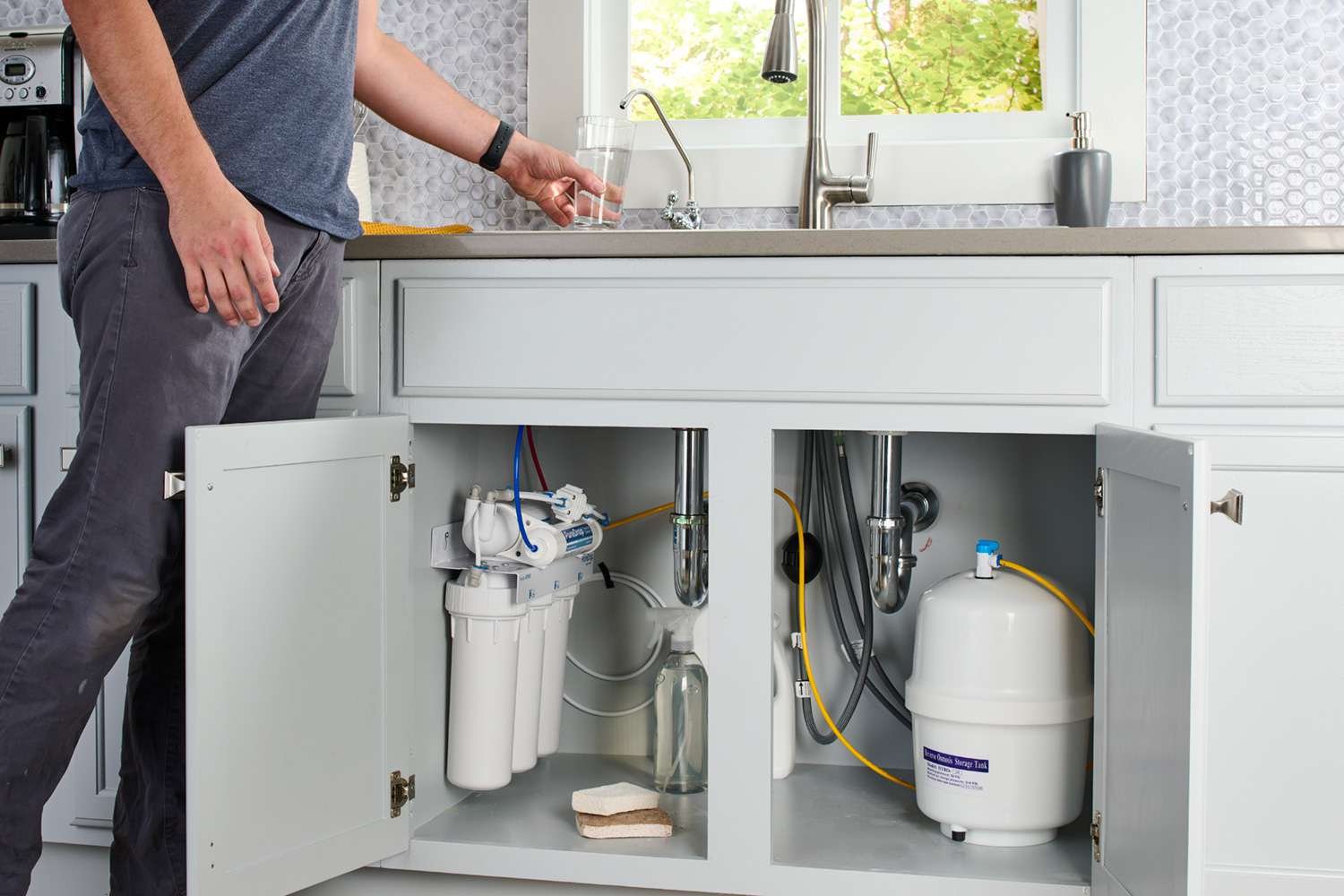
You might want softer water throughout the house while also wanting additional filtration for drinking and cooking. Point-of-use systems can provide more focused treatment at the kitchen sink.
Reverse osmosis is one option homeowners sometimes consider when they want additional reduction of dissolved substances in drinking water.
The important thing is to match the system to the water-quality concern rather than assuming one technology does everything.
Look at Long-Term Value
When comparing treatment options, it’s tempting to focus entirely on the upfront price.
But the real cost includes more than the equipment.
Consider installation, replacement filters, salt or other supplies, electricity where applicable, routine servicing, and potential repairs.
A system with a lower purchase price might require more frequent maintenance. Another may cost more initially but have simpler upkeep.
Neither is automatically the right choice.
Look at how the system will fit into your life over several years, not just how it looks on the day you buy it.
Good Support Doesn’t End After Installation
One of the most useful things a water-treatment provider can offer is continuity.
People have questions after installation. Filters need changing. Settings sometimes need adjustment. Households change, and water conditions can change with them.
Having access to knowledgeable support can make those situations much easier.
You don’t want to discover six months after installation that the person who sold you the equipment has no idea how to help when something needs attention.
Ask about service before committing. Find out what happens when equipment needs maintenance, whether replacement parts are readily available, and how support is handled.
Those details matter.
Make Water Treatment Part of the Home, Not Another Chore
The best water treatment systems tend to fade into the background.
You don’t think about them every morning. You simply notice that the water feels better, the fixtures stay cleaner, or the drinking water tastes more pleasant.
Getting there requires a little planning.
Test your water. Choose equipment based on actual needs. Install it properly. Keep up with routine maintenance. Make sure supplies don’t run out. And choose support that will still be available when the system is no longer brand new.
It isn’t complicated, really.
A little attention at the beginning and along the way can turn water treatment from another household headache into something quietly dependable — exactly the way a good home system should be.