Water is one of those household essentials we rarely think about until something goes wrong. A strange taste from the kitchen tap, white marks around the faucet, dry-feeling skin after a shower, or an appliance that seems to be working harder than it used to can all point toward issues with the home’s water.
For many homeowners, the answer isn’t simply drinking more bottled water or scrubbing mineral stains every weekend. A better approach is to understand the water coming into the property and consider whether filtration or treatment could make everyday use easier.
The right system can do more than improve drinking water. Depending on the home’s needs, it may support plumbing, protect appliances, reduce waste, and make routine cleaning less frustrating. The trick is choosing equipment based on actual water conditions rather than buying the first system that looks impressive.
Start by Understanding Your Water
Every home has its own water story. Two houses on the same street can experience noticeably different issues because of plumbing materials, private wells, municipal supplies, household usage, or the age of the property’s infrastructure.
Hard water is one of the most common concerns. Calcium and magnesium can create scale on faucets, shower doors, heating elements, and other surfaces. Chlorine may affect taste and odour, while sediment can make water appear cloudy or leave particles behind.
Before investing in treatment equipment, homeowners should consider having the water tested. Testing can identify hardness and other characteristics that aren’t obvious from appearance alone.
This matters because different problems require different solutions. A water softener isn’t designed to remove every contaminant, and a simple carbon filter won’t solve severe hardness. Getting the diagnosis right is half the job.
Where Water Treatment Can Save Money
Home improvements don’t always need to involve dramatic renovations. Sometimes the most useful upgrades are the ones quietly reducing everyday expenses.
For example, hard water can contribute to mineral deposits inside water heaters and appliances. Scale may interfere with heating efficiency and increase maintenance demands. If cleaning products also work less effectively in hard water, households may use more soap or detergent than necessary.
A properly selected treatment system can potentially create cost savings over time by helping reduce avoidable maintenance, product consumption, and premature equipment wear. The exact savings depend on water chemistry, household habits, equipment efficiency, and installation costs, so homeowners shouldn’t expect a treatment system to pay for itself overnight.
It’s better to think long term. A system that performs consistently for years can be more valuable than a cheap unit that needs frequent repairs or replacement.
Filtering More Than Just Drinking Water
When people hear the word “water filter,” they often picture a small pitcher sitting in the refrigerator. Those filters can be useful, but residential water treatment has become much broader.
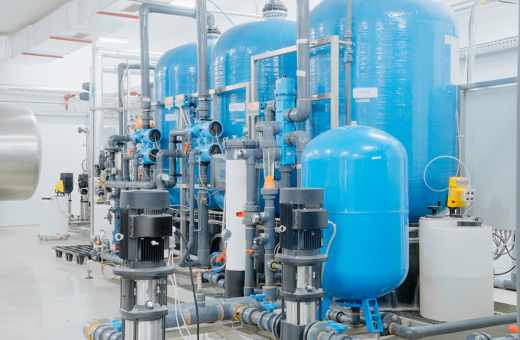
Modern multi-purpose residential water filters can be designed to address several household water concerns depending on their configuration. Some systems combine sediment filtration with carbon treatment, while others are integrated with softening or additional purification technologies.
The important point is that no single configuration should be assumed to work for every property. A household with heavy sediment may need a different setup from one primarily concerned about chlorine taste. A private well may present another set of challenges altogether.
The best systems are selected around the water test and the home’s priorities rather than a one-size-fits-all sales pitch.
The Environmental Side of Better Water Management
There is also a broader reason to think carefully about household water treatment. Everyday choices can influence how much plastic, water, energy, and household chemicals a family consumes.
If people dislike their tap water, they may rely heavily on bottled water. Over time, that can mean more plastic containers entering the waste stream, along with the transportation and manufacturing resources associated with bottled products.
A reliable home filtration setup can support environmental benefits by making treated tap water a more convenient option for drinking and cooking. Again, the environmental impact depends on the equipment and how it is maintained. Filters themselves eventually need replacement, and some treatment systems use water during regeneration or cleaning.
So sustainability isn’t simply about installing a filter and forgetting about it. Choosing efficient equipment and disposing of used filter components responsibly matter too.
Protecting Appliances From Water-Related Wear
Think about how many appliances use water in a typical home. There’s the washing machine, dishwasher, water heater, refrigerator dispenser, coffee maker, and perhaps several bathroom fixtures.
When water contains significant levels of hardness minerals, repeated heating and evaporation can encourage scale buildup. Over time, those deposits may affect components and make maintenance more difficult.
Water treatment can help manage certain causes of buildup. A softener may be appropriate when hardness is the primary issue, while sediment filtration can help protect equipment from particles.
Still, treatment isn’t a substitute for normal appliance maintenance. Filters should be replaced when required, appliances should be cleaned according to their manuals, and unusual noises, leaks, or performance changes shouldn’t be ignored.
A little attention early on can prevent a small water-related issue from becoming an expensive repair.
Making Everyday Cleaning Less Frustrating
Nobody enjoys cleaning a bathroom only to find the same white spots returning a couple of days later. Mineral deposits can be particularly stubborn on shower glass, faucets, sinks, and tiles.
Hard water can also affect laundry and dishwashing. Soap and detergents may not perform as effectively when they interact with high levels of calcium and magnesium. Clothes can sometimes feel stiff, while glasses may come out of the dishwasher looking cloudy.
Addressing the underlying water chemistry can make these chores easier. It doesn’t eliminate cleaning altogether, obviously. Homes still get dusty, dishes still need washing, and shower doors still need attention. But reducing mineral buildup can make routine maintenance feel less like an endless battle.
For busy households, that small improvement can be surprisingly valuable.
Choosing Between Whole-House and Point-of-Use Systems
One of the biggest decisions homeowners face is whether they need treatment for the entire property or only specific outlets.
A whole-house system treats water as it enters the home, meaning showers, laundry, sinks, and other fixtures can all receive treated water. This approach may make sense when the concern affects the overall water supply.
Point-of-use systems, on the other hand, focus on individual locations. A kitchen filtration system might be enough when the main concern is drinking and cooking water.
Neither approach is automatically better. It depends on what the homeowner is trying to accomplish, the existing plumbing, water quality, available space, and budget.
Don’t Forget Maintenance
Even a high-quality filtration system needs attention. Filters eventually become saturated, resin may require regeneration, and components can wear over time.
Skipping maintenance can reduce performance and, in some cases, create new problems. Homeowners should understand exactly what their system requires before installation. Ask how often filters need changing, whether professional servicing is recommended, how replacement parts are obtained, and what the ongoing operating costs look like.
These details aren’t particularly glamorous, but they’re important. A water treatment system should fit comfortably into the household’s routine rather than becoming another chore everyone forgets about.
A Practical Investment in the Home
Better water isn’t necessarily about having the most advanced equipment available. It’s about having the right equipment for the conditions in your home.
Start with testing. Identify the actual issue. Compare treatment options, installation requirements, maintenance needs, and long-term operating costs. And don’t be afraid to ask questions when a recommendation seems unnecessarily complicated.
When chosen thoughtfully, residential water treatment can improve everyday comfort while helping homeowners manage appliances, cleaning, drinking water, and household resources more efficiently.
The goal isn’t perfection. It’s simpler than that: water that works well for the people, plumbing, and appliances that depend on it every single day.