Use up and down arrow keys to resize the meta box pane.Toggle panel: AIOSEO Settings
SERP Preview
startnivo.com
https://startnivo.com › top-startup-funding-options-for-firs…
Top Startup Funding Options for First-Time Founders
Bootstrapped, angel, VC, or grant? Explore real startup funding options for first-time founders in 2026, with pros, cons, and honest advice.
Post Title
Click on the tags below to insert variables into your title.
Top Startup Funding Options for First-Time Founders
51 out of 60 max recommended characters.
Meta Description
Click on the tags below to insert variables into your meta description.
Bootstrapped, angel, VC, or grant? Explore real startup funding options for first-time founders in 2026, with pros, cons, and honest advice.
140 out of 160 max recommended characters.
Cornerstone Content
PRO
Cornerstone content refers to the most important and informative articles or pages on your website that serve as the foundation for your content strategy. AIOSEO uses cornerstone content forinternal linking recommendations in Link Assistant.Learn More →Mark as Cornerstone
Cornerstone Content is a PRO feature. Learn More →
Focus KeywordAdd Focus Keyword
Get Additional Keywords
Additional Keywords
Improve your SEO rankings with additional keywords.
Additional Keywords are a PRO feature. Learn More →
Page Analysis
- Meta description lengthWell done!
- Content lengthThe content length is ok. Good job!
- Internal linksWe couldn’t find any internal links in your content. Add internal links in your content.
- External linksNo outbound links were found. Link out to external resources.
Toggle panel: AIOSEO Writing Assistant

Elevate your SEO with AIOSEO Writing Assistant
Now Integrated into SEOBoost
Experience the power of AI-driven writing assistance seamlessly integrated into SEOBoost. Login to enhance your content creation process and boost your search rankings. Login to SEOBoostPostBlock
Top Startup Funding Options for First-Time Founders
 ReplaceRemoveAdd an excerpt…
760 words, 4 minutes read time.
Last edited 15 minutes ago.
StatusDraft
PublishImmediately
Slugtop-startup-funding-options-for-first-time-founders
Authortechnohiker01@gmail.com
DiscussionOpenDon’t update the modified dateMove to trash
AIOSEO
Categories
Search CategoriesStartupsAccountingBusinessBusiness IdeasCase StudiesCorporateDigital MarketingE-CommerceEntrepreneurshipFreelancingLeadershipManagementMarketingSalesSmall BusinessUncategorizedAdd Category
Tags
Add Tag
startup funding options (1 of 1)startup funding options
Separate with commas or the Enter key.Toggle panel: LiteSpeedDisable CacheDisable Image LazyloadDisable VPIViewport ImagesViewport Images – Mobile
Learn MoreToggle panel: External Featured Image
Image URL: Open publish panel
- Post
Every founder eventually hits the same wall — the idea is validated, early customers are happy, but growth needs money you don’t have. Figuring out the right startup funding options at this stage decides a lot about how your company actually turns out, not just financially but in terms of control.
A founder I spoke with last year turned down a VC term sheet because it wanted too much equity too early. She went with a smaller angel round instead and kept control of her product decisions. Not every founder would make that call, and that’s exactly the point — there’s no single “right” funding path.
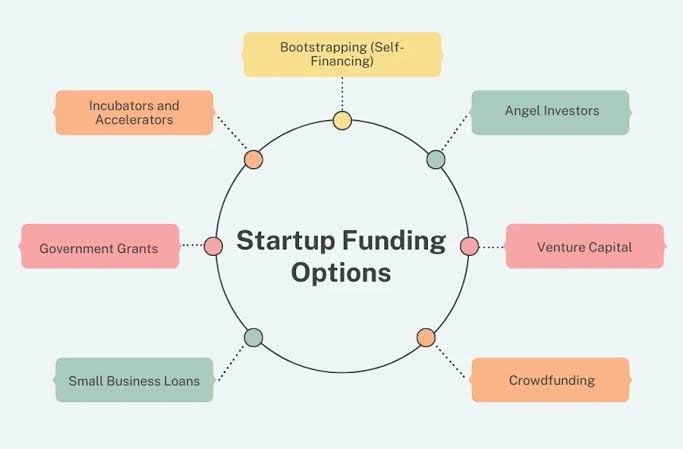
Bootstrapping: Funding It Yourself
Bootstrapping means growing the business using your own savings and revenue, without outside investors. It’s slow, but you keep 100% ownership and full decision-making power.
This works best when your startup doesn’t need heavy upfront capital — service businesses, SaaS with a lean MVP, content-based businesses.
Friends and Family Rounds
This is often the very first outside money a founder raises. It’s informal, fast, and usually comes with flexible terms.
That said — mixing money and relationships is risky. Always put terms in writing, even with family. I’ve seen good relationships strain over undocumented “loans” that were actually meant as investment.
Angel Investors
Angel investors are individuals who invest their own money into early-stage startups, usually in exchange for equity.
Startup funding options like angel investment work well when you need a moderate amount (₹10 lakh to ₹2 crore range typically) along with mentorship, since many angels are ex-founders themselves.
- They move faster than VC firms
- They often bring industry connections
- They typically invest smaller amounts than institutional investors
Venture Capital (VC) Funding
VCs invest larger sums in exchange for equity, usually once you’ve shown some traction — real users, revenue, or strong growth metrics.
This isn’t for every business. VCs expect high growth and eventual big returns, which means they’re a fit mainly for scalable tech startups, not, say, a local retail chain.
Government Grants and Schemes
India actually has a decent number of grant and scheme options that founders overlook:
- Startup India Seed Fund Scheme
- MSME schemes through Udyam registration
- State-level startup policies (many states offer subsidies and grants)
- Atal Innovation Mission for specific sectors
These don’t dilute your equity at all, which makes them worth the extra paperwork.
Crowdfunding
Platforms let you raise small amounts from a large number of people, often in exchange for early product access or rewards rather than equity.
This works particularly well for consumer products with a strong story — gadgets, design products, creative projects. It’s less common for B2B SaaS.
Bank Loans and NBFC Financing
Traditional debt financing means you keep full ownership but have to repay regardless of whether the business succeeds. It suits businesses with predictable cash flow more than early-stage, unproven startups.
How to Decide Which Funding Route Fits You
Ask yourself honestly:
- Do I want to keep full control, or am I okay giving up equity for speed?
- Is my business capital-heavy or can it grow lean?
- Am I building for high growth (VC-fit) or steady profitability (bootstrap-fit)?
There’s no universally “best” answer here, and I’d be lying if I said otherwise.
FAQ
What’s the easiest startup funding option for a first-time founder? Bootstrapping or a friends-and-family round is usually the easiest to access, though bootstrapping keeps full ownership while friends-and-family involves outside money.
How much equity should I give away in an angel round? Most early angel rounds range between 10-20% equity, but this varies heavily depending on valuation and how much capital you’re raising.
Are government startup grants hard to get? They require documentation and sometimes a longer approval timeline, but they don’t dilute equity, which makes the effort worthwhile for many early-stage founders.
Can I raise VC funding without any revenue? It’s possible but harder — most VCs want to see some traction, whether that’s users, waitlist numbers, or early revenue.
Is debt funding a good idea for startups? It works well if you have predictable, steady cash flow, but it’s risky for early-stage startups still figuring out product-market fit.
[link to related guide about how to validate your startup idea here]
Conclusion
There’s no one-size-fits-all answer among these startup funding options — bootstrapping, angels, VCs, grants, and loans each serve different stages and types of businesses. Match the funding to your growth speed and how much control you’re willing to trade for capital. Before you approach any investor, get clear on your numbers and your story — that clarity alone puts you ahead of most first-time founders walking into a pitch room.