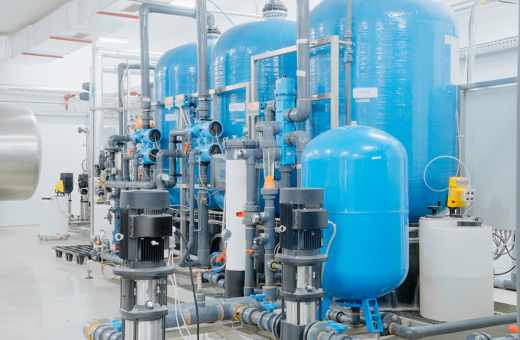
Clean drinking water is something most people expect to have readily available, yet the quality of water entering a home can vary considerably. Even when municipal water meets regulatory standards, it may still contain chlorine, sediment, unpleasant odors, dissolved minerals, or other impurities that affect its taste and usability. For households relying on private wells, water quality concerns can be even more specific.
That’s where a well-designed water filtration system becomes useful. Rather than relying on one filter to handle every contaminant, modern systems often combine several treatment methods. This approach allows each stage to address a different problem, creating a more thorough and practical solution for everyday drinking water.
Why One Filter Often Isn’t Enough
Water can contain different types of impurities, and they don’t all respond to the same treatment method. A sediment filter, for example, may capture sand, dirt, and rust particles, but it won’t necessarily remove dissolved chemicals. Likewise, a carbon filter can improve taste and reduce certain contaminants, but it isn’t designed to eliminate every dissolved substance.
This is why many homeowners consider three or four-stage water filtration systems. These setups divide the treatment process into separate stages, allowing the water to be cleaned progressively. The exact configuration depends on the source water, the contaminants present, and the intended use of the system.
A typical system may begin with sediment removal, followed by activated carbon filtration. Additional stages might address dissolved solids, specific chemicals, or microbial concerns, depending on the technology being used. The goal isn’t simply to add more filters, but to make sure each component has a clear purpose.
How Multi-Stage Filtration Works
The first stage in many systems is a sediment filter. Its job is relatively straightforward: capture visible or suspended particles before they reach the more sensitive components. This can include dust, silt, sand, and small rust particles from plumbing.
Next, water may pass through an activated carbon filter. Carbon is particularly useful for reducing chlorine, certain organic compounds, and odors that can make tap water taste unpleasant. Anyone who has noticed a swimming-pool-like smell in their drinking water may appreciate the difference this stage can make.
Some systems include a finer carbon filter or another specialized treatment stage after that. These components can provide additional contaminant reduction and help improve the overall consistency of the water. In reverse osmosis systems, the process also includes a membrane designed to separate many dissolved impurities from the water.
The important point is that filtration is not a single, universal process. Different technologies work in different ways, and a system should be selected according to the actual water-quality challenge.
The Role of Semi-Permeable Membranes
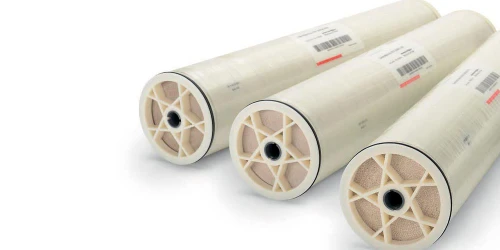
Reverse osmosis is one of the most recognized water-treatment technologies used in residential filtration. At its center is a membrane that allows water molecules to pass through while restricting many dissolved contaminants.
These semi-permeable membranes are engineered to separate substances based on factors such as size and chemical properties. During reverse osmosis, pressure pushes water through the membrane, leaving behind a concentrated stream containing many of the substances being removed.
This can help reduce dissolved solids, certain heavy metals, salts, and other contaminants, although performance depends on the system design and the quality of the incoming water. Reverse osmosis is especially useful when water contains impurities that ordinary sediment or carbon filters cannot adequately address.
However, membranes are not maintenance-free. They can become less effective when exposed to excessive sediment, scaling, or poor-quality source water. That’s why pre-filtration is important. Protecting the membrane can help maintain performance and extend its useful life.
Why Pre-Filters and Post-Filters Matter
A water filtration system is only as effective as its overall design and maintenance. Pre-filters protect the main treatment components by removing particles and certain chemicals before the water reaches them. Post-filters, meanwhile, can provide a final polishing stage before the treated water reaches the faucet.
Many residential systems use specially formulated pre and post-filters to support different parts of the filtration process. A pre-filter may be designed to capture sediment or reduce chlorine, while a post-filter may focus on improving taste and freshness after the primary treatment has occurred.
These filters serve different purposes, so they shouldn’t be treated as interchangeable. Choosing the correct filter type and replacing it at the recommended interval helps prevent reduced water flow, unpleasant taste, and declining filtration performance.
Choosing a System Based on Water Quality
The best filtration system for one home may not be the right choice for another. Municipal water, well water, rainwater, and other sources can have very different treatment requirements. Even homes connected to the same public water supply may experience differences caused by plumbing, storage tanks, or localized conditions.
A water-quality test is a sensible starting point. Testing can identify issues such as hardness, iron, chlorine, pH imbalance, dissolved solids, or specific contaminants. Without that information, homeowners may spend money on a system that addresses problems they don’t actually have while overlooking more relevant concerns.
It’s also worth considering daily water usage. A small under-sink system may be sufficient for drinking and cooking, while a larger whole-home system may be more appropriate when water quality affects bathing, laundry, appliances, and other household activities.
Maintenance Is Part of the Solution
Even a high-quality filtration system requires regular attention. Filters collect contaminants over time, and their effectiveness can decline when they become saturated. Depending on the system, maintenance may involve replacing cartridges, checking pressure, sanitizing components, or inspecting connections for leaks.
Ignoring maintenance can lead to more than poor-tasting water. Clogged filters may reduce flow, place stress on the system, and increase operating costs. In some cases, neglected components can also create conditions that affect water hygiene.
Homeowners should follow the manufacturer’s maintenance schedule and pay attention to warning signs, including changes in taste, odor, water pressure, or filter appearance. If the source water changes, retesting may also be worthwhile.
A Practical Investment in Everyday Water
Water filtration is not about choosing the most complicated system available. It’s about understanding what is in the water and selecting treatment technology that addresses those specific concerns. A thoughtfully configured multi-stage system can improve taste, reduce unwanted contaminants, and provide greater confidence in the water used every day.
For homeowners considering an upgrade, the process should begin with water testing, a clear understanding of household needs, and guidance from a qualified water-treatment professional when necessary. With the right combination of filtration stages, suitable membranes, and timely maintenance, cleaner and better-tasting water can become a dependable part of the home rather than something taken for granted.