Most people don’t spend much time thinking about their HVAC system when everything is working. The house feels comfortable, the air moves quietly through the vents, and the thermostat sits on the wall doing its little job.
Then summer arrives with a vengeance, or winter brings an unexpected cold snap, and suddenly that equipment becomes the most important thing in the building.
That’s when the quality of your HVAC service provider really matters.
Finding someone who can show up, diagnose a problem, and make a repair is useful. Finding a company that understands the equipment, respects your property, communicates clearly, and thinks about long-term performance is even better. Whether you’re responsible for a family home, an office, a retail property, or several buildings, dependable HVAC service can make everyday life considerably easier.
Experience Matters More Than a Sales Pitch
There are plenty of HVAC companies willing to promise fast service and competitive prices. Those things sound good, naturally. But homeowners and business owners should look beyond advertising.
Experience can make a major difference when an HVAC problem isn’t straightforward.
A system that isn’t cooling properly might have an electrical issue, restricted airflow, a refrigerant problem, a thermostat fault, or several problems occurring at once. Guessing at the cause can lead to unnecessary parts and repeated service calls.
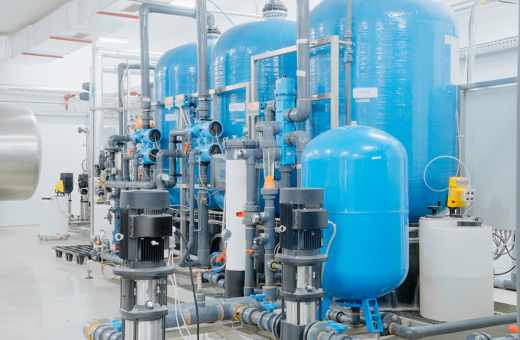
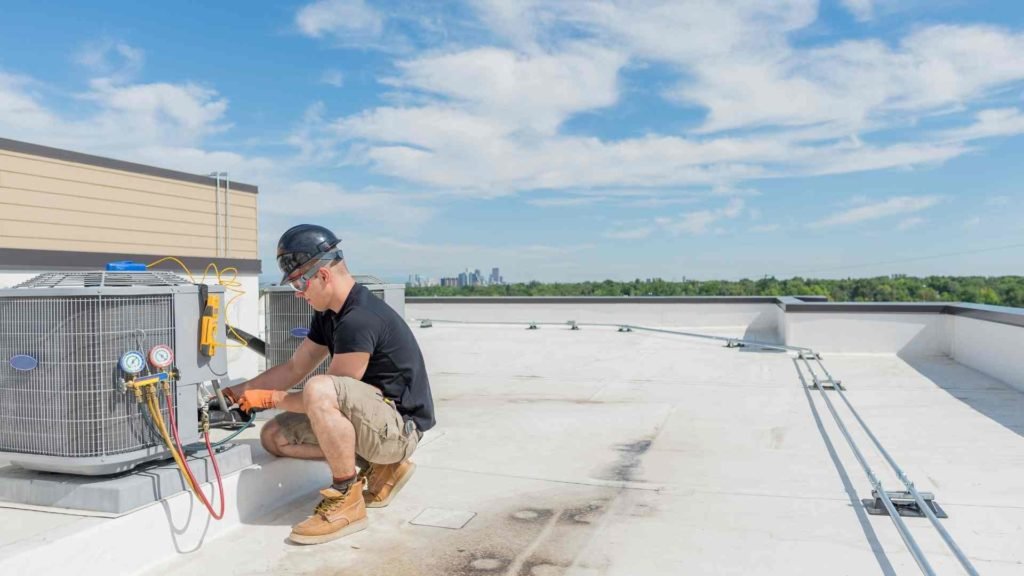
A provider offering residential and commercial hvac service should have the knowledge and equipment to work with different system types and building requirements.
Commercial systems, in particular, can be significantly more complex than the equipment found in a typical home. Experience with both environments gives technicians a broader perspective.
Every Building Has Different Needs
There isn’t one HVAC solution that works perfectly for every property.
A small home might need a straightforward central air system. A larger residence may have multiple zones. An office building could require sophisticated controls and ventilation. A retail space might have different requirements again because of occupancy levels, doors opening frequently, lighting, and equipment loads.
The right HVAC provider should begin by understanding the building.
That means asking questions, inspecting the existing system, and considering how the property is actually used. A contractor who recommends the same equipment to everyone without looking closely at the building isn’t doing much of an assessment.
Good service starts with listening.
Recognition Can Be a Useful Signal
Awards don’t automatically guarantee excellent workmanship. Still, industry recognition can provide another piece of information when you’re comparing service providers.
An award-winning service provider has generally demonstrated some level of performance that earned outside recognition. The important part is understanding what the award represents.
Was it based on customer reviews? Industry standards? Business performance? Technical achievement?
Don’t choose a contractor solely because the word “award-winning” appears in a brochure. Use it as one factor among several, alongside qualifications, experience, reputation, warranties, communication, and the quality of the proposed work.
A trophy can’t repair a furnace. A skilled technician can.
Local Knowledge Has Practical Value
There is something reassuring about working with a company that understands the community it serves.
A trusted local hvac service provider may have experience with common building styles, local weather patterns, frequently installed equipment, and the practical issues that homeowners encounter in the area.
Local availability can also matter when an urgent problem occurs.
When the air conditioner fails during a stretch of extreme heat, waiting days for someone to travel a long distance isn’t ideal. A nearby service company may be able to respond more quickly, depending on its schedule and workload.
Of course, “local” doesn’t automatically mean “better.” Qualifications and workmanship still matter. But proximity combined with experience can be a useful advantage.
Don’t Wait for the System to Completely Fail
HVAC systems often provide warnings before they stop working.
The warning might be a strange sound, weak airflow, uneven temperatures, unusual odors, short cycling, or an unexplained increase in energy consumption.
It’s easy to ignore these signs when the system still works.
That’s understandable. Nobody wants to spend money on a repair that doesn’t feel urgent.
But a small issue can sometimes put additional stress on other components. Getting it checked early may help prevent a much larger problem later.
Think of it like a car making a strange noise. You can turn up the radio, but the noise hasn’t actually gone away.
Maintenance Is Part of Good Ownership
Professional maintenance isn’t just about keeping a contractor busy.
Heating and cooling equipment contains components that accumulate dirt, experience wear, and require periodic inspection. Filters need attention. Electrical connections should be checked appropriately. Drainage systems can become clogged. Moving parts can wear down.
Regular service gives technicians an opportunity to identify developing problems and keep equipment operating as intended.
Homeowners can help by replacing filters according to manufacturer recommendations and keeping outdoor units free from obvious debris. Businesses should also make sure maintenance responsibilities are clearly assigned.
The important thing is consistency.
Good Communication Makes Repairs Less Stressful
HVAC problems are confusing enough without adding poor communication to the mix.
When a technician arrives, you should be able to explain what you’ve noticed and receive a clear explanation of what they find. You should also understand what work is recommended, what it will cost, and whether the issue requires immediate attention.
Technical terminology can be useful, but customers shouldn’t need an engineering degree to understand a repair.
A good technician can explain complicated issues in ordinary language.
If replacement is recommended, ask why. If a repair is possible, ask how long it might reasonably extend the system’s life. There aren’t always simple answers, but honest explanations make decisions easier.
Repair Versus Replacement Isn’t Always Obvious
Replacing an HVAC system can be a significant investment, so it’s worth thinking carefully before making the decision.
Age is one consideration, but it isn’t the only one.
Look at the equipment’s repair history, efficiency, condition, warranty status, and expected future service costs. A relatively young system with one failed component may be a clear repair candidate.
An older unit requiring frequent repairs is a different story.
A trustworthy contractor should present the facts rather than using pressure tactics. You should have enough information to decide whether repairing or replacing makes more sense for your situation.
Commercial Customers Need to Think About Downtime
For businesses, HVAC problems can affect more than comfort.
An uncomfortable office can reduce productivity. A retail environment that becomes excessively hot can drive customers away. Certain commercial spaces may also have equipment or products that depend on stable environmental conditions.
That makes preventive service particularly valuable.
Business owners should discuss maintenance schedules, response expectations, equipment age, and emergency procedures with their HVAC provider. Having a plan before something goes wrong is usually easier than creating one during a crisis.
Look at the Relationship, Not Just the Service Call
The best HVAC contractor isn’t necessarily the one who gives you the lowest price on a single repair.
Think about the relationship over time.
Will they answer questions? Will they explain recommendations? Do they maintain records? Can they service the equipment later? Do they stand behind their workmanship?
Those details become increasingly important as equipment ages.
A good service relationship can also help homeowners make better decisions because the technician becomes familiar with the property’s equipment and history.
Comfort Is About Reliability
Ultimately, HVAC service is about much more than heating and cooling equipment.
It’s about knowing that your home will be comfortable when you need it to be. It’s about helping a business remain functional. It’s about avoiding unnecessary disruptions and making sensible decisions when equipment eventually wears out.
The right provider combines technical knowledge with communication, honesty, preparation, and respect for the customer.
That’s not especially flashy. It doesn’t need to be.
When an HVAC system quietly keeps a home comfortable or allows a business to carry on without interruption, good service is doing exactly what it should. You notice the comfort — not the machinery behind it.
And when something does go wrong, having a professional you trust is worth a lot more than a clever slogan.