Water is one of those things people tend to notice only when something goes wrong. A weak shower, strange taste, cloudy water, pressure problems, or an unexpected leak can quickly turn an ordinary day into a frustrating one. Behind these everyday concerns is a larger question: how dependable is the water setup serving your home, business, or outdoor space?
A reliable water setup is not created by choosing one product and hoping for the best. It comes from understanding how different components work together, selecting equipment suited to actual needs, and making sure installation and maintenance are handled properly. Whether you are upgrading an existing setup or starting from scratch, thoughtful planning can prevent expensive mistakes and improve long-term performance.
Understanding What Your Water System Really Needs
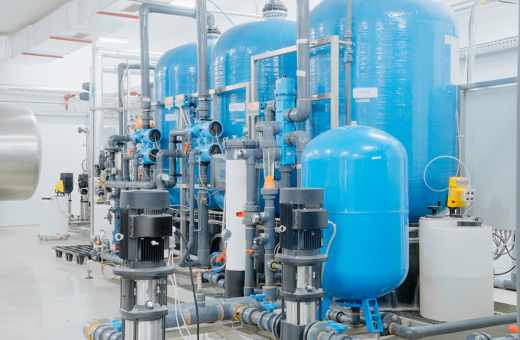
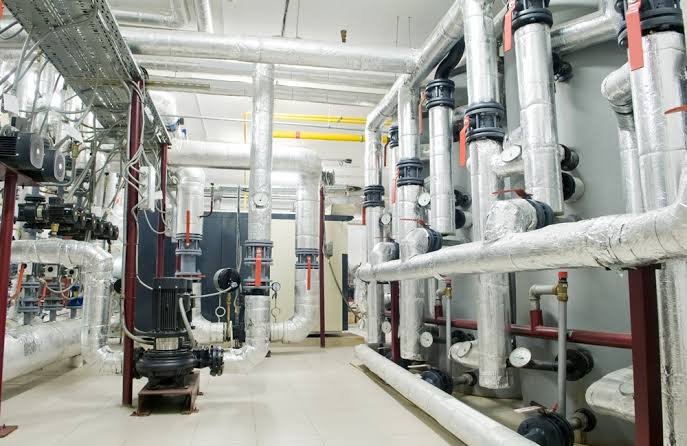
Before purchasing equipment, it helps to understand the role of each part of your water system. A water setup may include pumps, filters, pipes, valves, storage tanks, treatment equipment, pressure controls, and other accessories. The right combination depends on the source of the water, the quality concerns involved, the size of the property, and how the water will be used.
For example, a household relying on municipal water may have different needs from a rural property using a private well. A garden irrigation setup will not require the same components as a commercial facility with high daily water demand. Even within a home, drinking water treatment and outdoor water distribution may need separate solutions.
Starting with an assessment is important. Consider water pressure, flow rate, existing pipework, water quality, available space, and future usage. Skipping these details can lead to equipment that works poorly or wears out sooner than expected.
Choosing Products That Work Together
One common mistake is buying individual components without considering compatibility. A filter may be excellent on its own, but it still needs to match the flow rate and connection size of the rest of the setup. A pump that is too powerful can create pressure problems, while one that is too weak may struggle to meet demand.
When comparing water system products, look beyond appearance and price. Check specifications such as capacity, operating pressure, connection types, material quality, energy use, replacement requirements, and manufacturer recommendations. These details may seem technical, but they have a direct effect on performance.
It is also wise to think about future maintenance. Some products may be affordable initially but difficult to service or expensive to replace. Others may cost slightly more at the beginning but offer better durability and easier access to replacement parts.
A good purchasing decision considers the complete life of the product, not just the price shown on the invoice.
Water Quality Should Be Part of the Conversation
Water quality problems are not always visible. Water can look clear and still contain excess minerals, sediment, unpleasant odors, or other contaminants. That is why testing is often a useful first step before selecting treatment equipment.
A basic water test can reveal information about hardness, pH, iron, manganese, chlorine, or other factors depending on the source and the type of testing available. For private wells, regular testing is particularly important because water conditions can change over time due to rainfall, nearby land use, seasonal shifts, or changes underground.
Treatment should be based on actual results rather than guesswork. A softener may help with hardness, while carbon filtration can address certain taste and odor concerns. Reverse osmosis may be appropriate for specific drinking-water applications, but it is not automatically the best answer for every household.
The goal is not to install the most complicated setup. It is to choose a solution that addresses the real problem without creating unnecessary expense or waste.
Why Professional Installation Makes a Difference
Even high-quality equipment can perform badly when it is installed incorrectly. Poor connections, incorrect sizing, unsuitable pipework, or inadequate drainage can affect efficiency and create safety concerns. Installation is not simply about connecting one component to another; it requires an understanding of pressure, flow, materials, and local conditions.
Experienced professional contractors can assess the site and identify issues that may not be obvious to a homeowner or business owner. They can recommend suitable placement, check existing infrastructure, and ensure that equipment is installed according to manufacturer instructions.
Professional installation may also protect warranties. Some manufacturers require equipment to be installed by qualified personnel, particularly when the system involves electrical connections, pumps, treatment chemicals, or complex controls.
More importantly, proper installation reduces the likelihood of leaks, premature wear, and repeated service calls. Paying attention to the setup at the beginning can save considerable time and money later.
Planning for Maintenance From Day One
Maintenance is often treated as an afterthought, but it should be part of the original plan. Filters need replacement, tanks may need cleaning, pumps require inspection, and valves or seals can wear over time. The exact schedule depends on the equipment and the conditions in which it operates.
A maintenance plan does not have to be complicated. Keep a record of installation dates, filter changes, test results, and service visits. Follow the manufacturer’s recommendations, but also pay attention to changes in performance. Reduced pressure, unusual sounds, leaks, odors, or changes in water taste may indicate that something needs attention.
Routine maintenance is usually less expensive than emergency repairs. It also helps equipment operate more efficiently, which can reduce energy and water waste.
For businesses, scheduled maintenance is especially valuable because a water-related failure can interrupt operations, affect employees or customers, and create unexpected costs.
Balancing Budget, Quality, and Long-Term Value
Budget matters, but choosing the cheapest option is not always the most economical decision. Low-cost equipment may have shorter service lives, limited warranties, or replacement parts that are difficult to find. On the other hand, expensive equipment is not automatically better either.
The best approach is to compare value. Look at expected lifespan, operating costs, maintenance needs, warranty coverage, installation requirements, and customer support. A product that costs more upfront may be worthwhile if it performs consistently and requires fewer repairs.
It is also sensible to prioritize the components that have the greatest effect on performance. In some cases, investing in a quality pump or control valve may be more important than choosing premium accessories. A knowledgeable supplier or installer can help explain where spending more is likely to make a meaningful difference.
Asking the Right Questions Before Starting
Before committing to a purchase or installation, ask practical questions. What problem is the recommended solution designed to address? Is testing required first? What is included in the quoted price? How often will the equipment need maintenance? Are replacement parts readily available? What happens if the system does not perform as expected?
A dependable provider should answer these questions clearly. If the explanation is filled with vague promises or pressure to buy immediately, take a step back. Good service should help you understand the decision, not make you feel rushed into it.
Written estimates and product documentation are also useful. They provide a reference point and reduce confusion about responsibilities, costs, and expected results.
Building a More Dependable Water Future
A well-designed water setup supports comfort, convenience, efficiency, and peace of mind. But reliability does not happen by accident. It comes from understanding your needs, choosing compatible equipment, paying attention to water quality, and working with people who know how to install and maintain the system properly.
The smartest approach is usually a balanced one. Start with accurate information, select products for the conditions they will face, and plan for maintenance before problems appear. Avoid unnecessary complexity, but do not overlook the components that protect performance.
Whether you are improving a home, managing a commercial property, or developing an outdoor water solution, careful decisions today can make daily water use easier for years to come. A dependable system is not just about moving water from one place to another. It is about creating a setup that works quietly, efficiently, and consistently when you need it most.