There are some household conveniences you don’t appreciate until they’re gone. Hot water is one. A working refrigerator is another. And then there’s the simple pleasure of turning on a tap and getting water that tastes good, feels clean, and is easy to drink.
For many people, improving water quality isn’t about chasing perfection. It’s about making everyday routines a little easier.
Maybe you want better-tasting water for coffee. Perhaps you’re tired of buying cases of bottled water. At an office, the goal might simply be giving employees and visitors a convenient place to get a cold drink.
Whatever the reason, today’s water treatment options can be surprisingly varied. Some focus on filtration, others on water characteristics such as pH, while newer equipment adds monitoring and automation.
The trick is figuring out what actually makes sense for your situation.
Start With Your Water and Your Habits
Before choosing equipment, think about how water is used in your home or workplace.
Do people mostly drink from the kitchen tap? Is bottled water taking over the pantry? Does the office have dozens of employees filling bottles throughout the day?
These details matter.
A system designed for occasional kitchen use may not be suitable for a busy workplace. Likewise, a large commercial-style setup may be unnecessary for a couple living in a small home.
Water quality matters too. Taste, odor, hardness, sediment, and specific contaminants can all influence what type of treatment makes sense.
Testing the water can help turn vague complaints into useful information.
Understanding Alkaline and Ionized Water
Some homeowners are interested in changing the characteristics of their drinking water rather than simply filtering it.
alkaline and ionized water systems are designed to produce water with an altered pH, with ionization systems typically using an electrical process to separate water into streams with different characteristics.
These systems have attracted plenty of attention, particularly among people interested in wellness and hydration.
It’s important, though, to keep expectations realistic. Alkaline water isn’t a substitute for a balanced diet or medical treatment, and higher pH doesn’t automatically mean healthier water.
If you’re considering one, look beyond the marketing. Understand how the system works, what it actually changes, and what maintenance it requires.
Smart Technology Is Changing Water Treatment
Water treatment used to be fairly simple. A filter was installed, cartridges were replaced occasionally, and that was about it.
Modern equipment can be much more connected.
smart water treatment systems may include sensors, digital displays, usage tracking, filter-life notifications, leak detection, or remote monitoring depending on the model.
For a busy household, these features can be genuinely useful. Instead of trying to remember when the filter was installed, the system may provide a reminder.
Smart features can also make troubleshooting easier by showing operating conditions or alerting homeowners to unusual activity.
Still, don’t pay extra for technology simply because it looks impressive. A smartphone notification won’t compensate for a system that isn’t properly sized or suited to your water.
The Convenience of Water Coolers
At work, convenience can be just as important as water quality.
Employees are more likely to drink water when it’s readily available, cold, and easy to access.
water coolers and dispensers remain popular for exactly that reason. They provide a central place for people to fill bottles or grab a drink without walking to the kitchen faucet every time.
Depending on the setup, dispensers may use bottled water, connected plumbing, filtration, cooling, heating, or a combination of features.
For businesses, the choice often comes down to space, water usage, maintenance, and operating cost.
Bottled Water Isn’t Always the Simplest Option
Bottled water seems convenient until you consider everything around it.
Bottles need to be purchased, transported, stored, and eventually discarded or recycled. A busy office can go through a surprising amount in a week.
A point-of-use dispenser connected to the building’s water supply can reduce the need for constant deliveries.
That doesn’t mean bottled water has no place. Events, temporary workplaces, emergencies, and locations without reliable plumbing may still benefit from it.
But where infrastructure allows, a permanent drinking-water solution can be worth considering.
Taste Can Change How Much Water People Drink
This is a simple human reality.
If water tastes unpleasant, people often reach for something else.
They might choose soda, flavored drinks, or bottled beverages instead. Improving taste and odor doesn’t magically transform someone’s habits, but it can remove one small barrier to drinking more plain water.
Carbon filtration is commonly used for certain taste and odor concerns. Other water-quality problems may require different technologies.
The key is to identify the cause rather than assuming every unpleasant taste comes from the same source.
Don’t Confuse Filtration With Disinfection
These terms are sometimes used interchangeably, but they’re not the same.
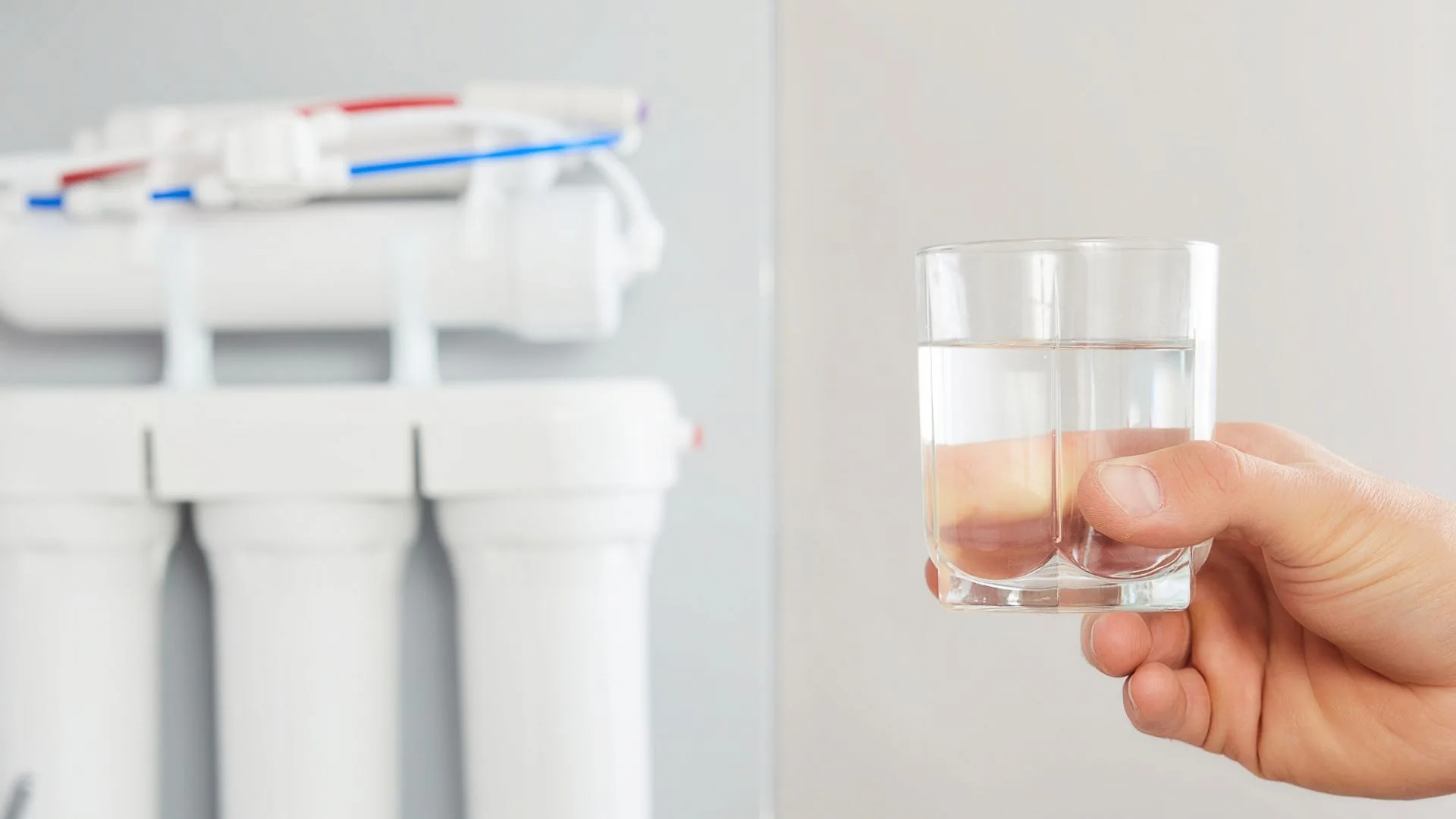
Filtration can remove particles and, depending on the technology, reduce certain chemicals or dissolved substances.
Disinfection is intended to inactivate microorganisms.
For example, ultraviolet treatment can be used for certain microbiological concerns, while a sediment filter is designed to capture particles.
A treatment system should be selected according to the actual water-quality issue.
If you’re unsure what technology does what, ask for a plain-language explanation. A good water professional should be able to provide one.
Smart Equipment Still Needs Maintenance
Technology doesn’t eliminate maintenance.
Filters still become exhausted. Membranes still need replacement. Sensors may need attention. Dispensers need cleaning.
If a system has a filter-life indicator, treat it as a useful tool rather than a guarantee that everything else is perfect.
Regular inspection remains important.
For drinking-water equipment, sanitation deserves particular attention because components can develop buildup over time if they’re neglected.
The system should make your life easier, not give you another complicated gadget to worry about.
Consider Space Before You Buy
Equipment has to live somewhere.
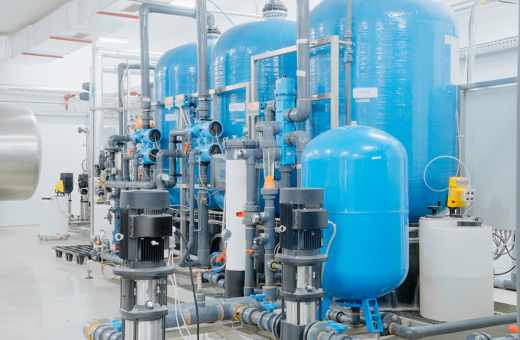
Under-sink systems need room for housings and storage tanks. Floor-standing dispensers need a convenient location and access to the required water or power connections.
At an office, placement can affect how often people use the equipment.
A dispenser hidden down a hallway won’t be nearly as useful as one located in an accessible common area.
At home, think about cabinet space and whether you’ll still be able to reach shutoff valves and filters after installation.
Convenience starts with good planning.
Water Pressure and Flow Still Matter
Even a sophisticated system can’t ignore basic plumbing.
Low incoming pressure can affect certain filtration and reverse osmosis systems. A dispenser may also need adequate flow to refill its internal reservoir at a reasonable rate.
If several people use water simultaneously, capacity becomes important.
Before installation, consider peak demand, not just average consumption.
For commercial settings especially, equipment should be sized around realistic usage patterns. Nobody wants the office water station to become a bottleneck at lunchtime.
Look at Operating Costs
The purchase price is only part of the equation.
Consider replacement filters, electricity, water consumption, cleaning, service, and replacement components.
A system that costs slightly more initially may prove more convenient if it has longer filter life or simpler maintenance.
On the other hand, expensive smart features may not provide much value for a household with very basic needs.
Think about what you’ll spend over several years, not just what you’ll spend on installation day.
Make Water Easier, Not More Complicated
Good drinking-water equipment should fit naturally into your routine.
You fill your glass. You refill your bottle. Someone at the office grabs a cold drink. The system quietly handles the rest.
That’s the ideal.
Whether you’re interested in alkaline water, smart monitoring, filtration, or a convenient dispenser, start with the basics. Understand your water quality, consider how much water you actually use, and choose equipment that matches those needs.
There’s no prize for owning the most complicated system.
Sometimes the best solution is simply the one that works reliably, tastes good, is easy to maintain, and doesn’t demand much attention.
After all, water is supposed to make life simpler—not become another project on the weekend to-do list.