When a private well is working properly, you probably don’t think about it much. Turn on the faucet, water comes out, and life moves along.
That’s exactly how it should feel.
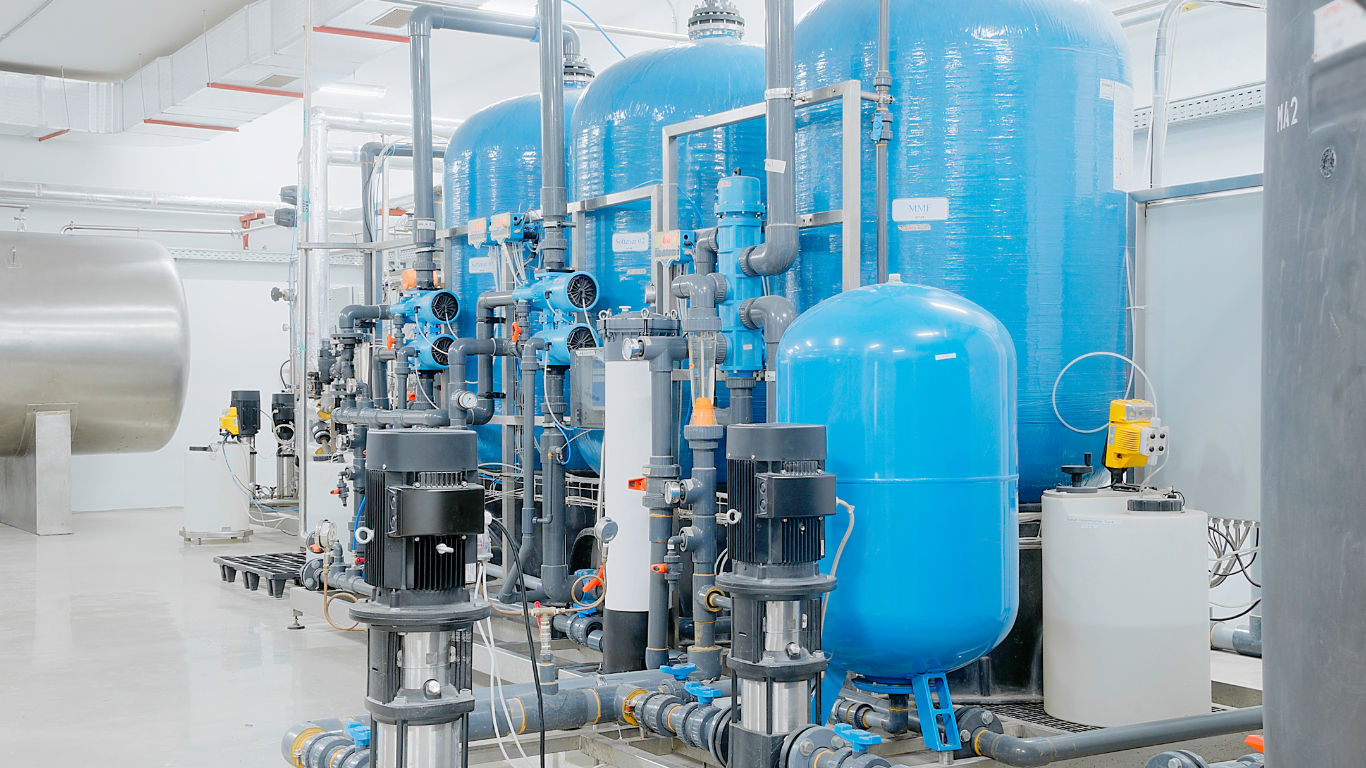
But behind that ordinary experience is a collection of equipment working together: the well itself, pump, pressure tank, plumbing, filtration, storage equipment, and sometimes disinfection or specialized treatment. Each part has a job, and a problem with one component can affect everything downstream.
Understanding the basics doesn’t mean you need to become a well technician. It simply gives you a better idea of what you’re paying for, what needs maintenance, and when a strange change in your water deserves attention.
The Well Is Only the Beginning
A private well draws groundwater from beneath the property and delivers it into the household plumbing.
But groundwater isn’t automatically identical from one location to another. Its chemistry depends on the surrounding geology, depth, seasonal conditions, and other environmental factors.
Some wells produce naturally pleasant water with little treatment required. Others may have hardness, iron, sulfur odor, sediment, or microbial concerns.
That’s why a well system should be thought of as a complete setup rather than a single piece of equipment.
The water source matters, but so does everything that happens after the water leaves the ground.
Pumps and Storage Tanks Keep Water Moving
You don’t normally see the equipment responsible for delivering water at the right pressure.
The well pump moves groundwater into the household system, while pressure and storage components help provide water when fixtures are opened.
In larger or more complex properties, pumps and storage tanks can play an even more important role in managing water supply and pressure.
A problem with the pump may show up as low pressure, cycling, unusual noises, or a complete loss of water.
A pressure-tank issue can create its own symptoms, including rapid pump cycling or inconsistent pressure.
If water pressure suddenly changes, don’t automatically blame the filter.
The source of the problem may be much earlier in the system.
Why Water Pressure Matters
Water treatment equipment needs adequate pressure to operate correctly.
Some filtration systems can create pressure loss, particularly as filters become loaded with sediment. Reverse osmosis systems also have specific pressure requirements.
If the household already has weak water pressure, treatment equipment needs to be selected carefully.
A professional evaluation can help determine whether the issue is related to the pump, pressure tank, plumbing, or treatment system.
The goal isn’t simply to install filtration. It’s to make sure the entire system works together.
Storage Can Provide an Extra Layer of Flexibility
Some properties use storage tanks to hold treated or untreated water before it is distributed.
Storage may be useful where water production is limited, demand is high, or a property has specific supply requirements.
But tanks introduce another responsibility: cleanliness.
A poorly maintained storage tank can become a place where sediment accumulates or water quality changes.
The tank should be accessible for inspection and maintenance, and its design should match the intended use.
More storage isn’t automatically better. It needs to serve a purpose.
Disinfection Is a Different Kind of Treatment
Filtration and disinfection aren’t the same thing.
A sediment filter may remove particles. Carbon may reduce certain chemicals and improve taste. Neither should automatically be assumed to provide microbial disinfection.
For appropriate applications, disinfection & UV systems can use ultraviolet light to help control microorganisms in water.
UV treatment works by exposing water to ultraviolet light at a specific intensity and wavelength. The system needs adequate flow conditions and proper maintenance to work as designed.
The lamp and related components have service requirements, and the water reaching the UV unit may need pretreatment if sediment or other characteristics interfere with performance.
Again, treatment works best when the system is designed as a whole.
Clear Water Isn’t Necessarily Safe Water
One of the biggest misconceptions about private wells is that appearance tells you everything.
It doesn’t.
Water can look crystal clear and still contain microorganisms or dissolved substances that aren’t visible.
Likewise, cloudy water isn’t automatically unsafe. It may simply contain tiny air bubbles or suspended particles.
Testing is the way to move beyond appearances.
For private wells, appropriate laboratory testing can help identify bacteria, nitrate, minerals, metals, and other water-quality characteristics.
If there has been flooding, well damage, or another event that could introduce contamination, additional testing may be especially important.
Some Water Problems Need Specialty Treatment
Not every issue can be solved with a standard cartridge filter.
High iron, manganese, sulfur odor, unusual mineral content, or specific contaminants may require a more targeted approach.
That’s where specialty treatment can become useful.
Depending on the water chemistry, treatment might involve oxidation, catalytic media, ion exchange, carbon, membrane filtration, UV, or a combination of technologies.
The important word is “might.”
You shouldn’t choose treatment based solely on a symptom.
For example, a rotten-egg odor may come from hydrogen sulfide, but it can also be associated with reactions in a water heater. The correct solution depends on where the odor originates.
Diagnosis comes first.
Sediment Can Affect Everything Downstream
Sediment is one of the more visible well-water problems.
Particles can include sand, silt, rust, and other debris.
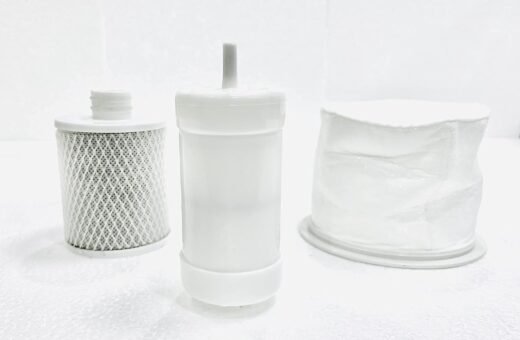
A properly sized sediment filter can help capture those particles before they reach faucets, appliances, pumps, or more sensitive treatment equipment.
But a sudden increase in sediment deserves investigation.
It could indicate changes in groundwater conditions, pump operation, or the physical condition of the well.
A filter can protect the household while the cause is being investigated, but it shouldn’t be used to ignore a major change in the water supply.
Treatment Equipment Needs Room to Breathe
This sounds obvious, but installation space is often overlooked.
Filters need enough room for cartridge replacement. UV systems require access for lamp servicing. Tanks need clearance for inspection. Pumps and pressure equipment may need room for maintenance.
If everything is squeezed into an inaccessible corner, routine service becomes harder.
And when maintenance becomes inconvenient, people tend to postpone it.
Good design considers not only how equipment will work on installation day, but how someone will service it several years later.
That’s an important difference.
Maintenance Is the Quiet Part of Ownership
Well systems don’t maintain themselves.
Filters need replacement. UV lamps have service intervals. Pumps and pressure equipment may need inspection. Storage tanks can require cleaning. Treatment media eventually loses effectiveness.
Keep a basic record of what has been installed and when it was serviced.
If a technician comes to the property, having that information available can save time.
Also pay attention to changes in pressure, taste, odor, staining, or water appearance.
Your water is often the first thing to tell you that something in the system has changed.
When Professional Help Makes Sense
Some jobs are perfectly reasonable for a homeowner.
Replacing a standard filter cartridge may be straightforward. Checking a basic maintenance indicator can be simple.
Other issues are better handled by a qualified professional, particularly electrical problems, pump issues, pressure abnormalities, complex plumbing changes, disinfection equipment, and unfamiliar treatment systems.
Professional assessment can also be valuable when the water problem isn’t obvious.
Instead of replacing three different filters and hoping one works, testing and diagnosis can point toward a much more practical solution.
A Good Well System Is a Balanced One
The best private-well setup isn’t necessarily the most complicated.
It’s the one where the well, pump, pressure equipment, treatment, storage, plumbing, and maintenance plan all make sense together.
Start with the water source. Test what needs testing. Identify the actual problem. Choose treatment designed for that problem, and install it so that future maintenance isn’t a nightmare.
Then keep an eye on the system.
A well can quietly provide dependable water for years, but only if the equipment supporting it gets the attention it deserves.
You don’t need to obsess over every component.
Just understand the basics, respond when something changes, and don’t mistake a quick fix for a complete solution.
After all, the real goal isn’t impressive equipment sitting in a basement or utility room.
It’s turning on the faucet tomorrow morning and knowing the water will be there, just as expected.