Water has a funny way of becoming invisible when everything is working properly. You turn on the tap, fill a glass, take a shower, start the washing machine, and move on with your day. It’s only when something changes that you really notice it.
Maybe the water suddenly tastes different. Perhaps the showerhead develops a stubborn layer of white buildup. Your dishes come out spotted, or you find yourself buying cases of drinking water even though there’s a perfectly good faucet sitting a few feet away.
These aren’t always signs of a major problem. Sometimes they’re simply clues that your household water could benefit from a closer look.
The trick is not to rush into buying equipment. Start by understanding what your water is doing, what bothers you about it, and what you actually want to improve.
Every Home Has Different Water Needs
There isn’t one water treatment setup that works perfectly for every property.
A small apartment, a large family home, and a property supplied by a private well can have completely different requirements. Even two houses on the same street may experience water differently because of plumbing, fixtures, usage habits, or variations in the source.
That’s why it helps to think about your home as its own environment.
How many people use the water each day? How many bathrooms are there? Are there appliances that depend heavily on water? Do you notice scale, odor, staining, or unusual taste?
These simple questions can reveal quite a bit.
Don’t Judge Water Only by Appearance
Clear water looks reassuring, but appearance isn’t enough to tell you everything about water quality.
Dissolved minerals, hardness, chlorine, iron and other characteristics may not be obvious when you look into a glass.
Testing can provide a much clearer starting point.
For municipal water, homeowners can often review information provided by their local water supplier. Private well owners may need more regular testing because well conditions can change with seasons, groundwater movement, nearby activity, or changes in the well itself.
Testing doesn’t mean something is wrong. It simply gives you better information.
Taste and Odor Can Affect Daily Habits
People often underestimate how strongly taste influences water consumption.
If tap water has a noticeable odor or an aftertaste, some family members may quietly avoid it. Instead of filling a reusable bottle, they reach for another drink. It doesn’t seem like a big deal at first, but habits have a way of sticking.
Depending on the cause, filtration can help make drinking water more pleasant.
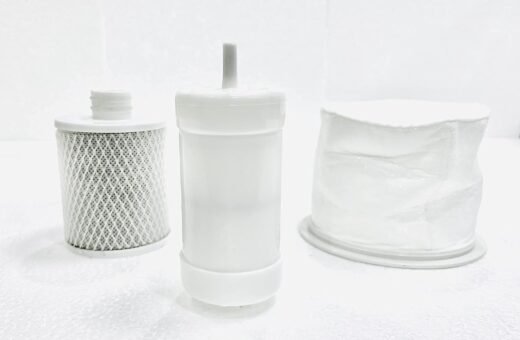
Activated carbon is commonly used to address certain tastes and odors, including those associated with chlorine. But treatment should always be matched to the specific issue rather than chosen simply because it sounds popular.
If you’re dealing with unlimited fresh water on demand, the goal should still be sensible treatment and proper maintenance rather than assuming the water needs every available filtration technology.
Cooking Water Matters Too
Drinking isn’t the only reason to care about the water coming from the kitchen tap.
Think about how much water goes into cooking. Rice, pasta, soup, coffee, tea, ice cubes, sauces — the list gets surprisingly long.
Water characteristics can influence taste in some foods and beverages, especially when the water itself has a noticeable flavor or odor.
This is why cooking and beverages deserve consideration when deciding whether you need a point-of-use filtration system.
You may not need to treat every gallon entering the house if your main concern is what you consume. A kitchen-focused system can sometimes be a practical alternative, depending on the water quality and your goals.
Families With Infants Have Extra Considerations
When there’s a baby in the house, people naturally become more careful about almost everything.
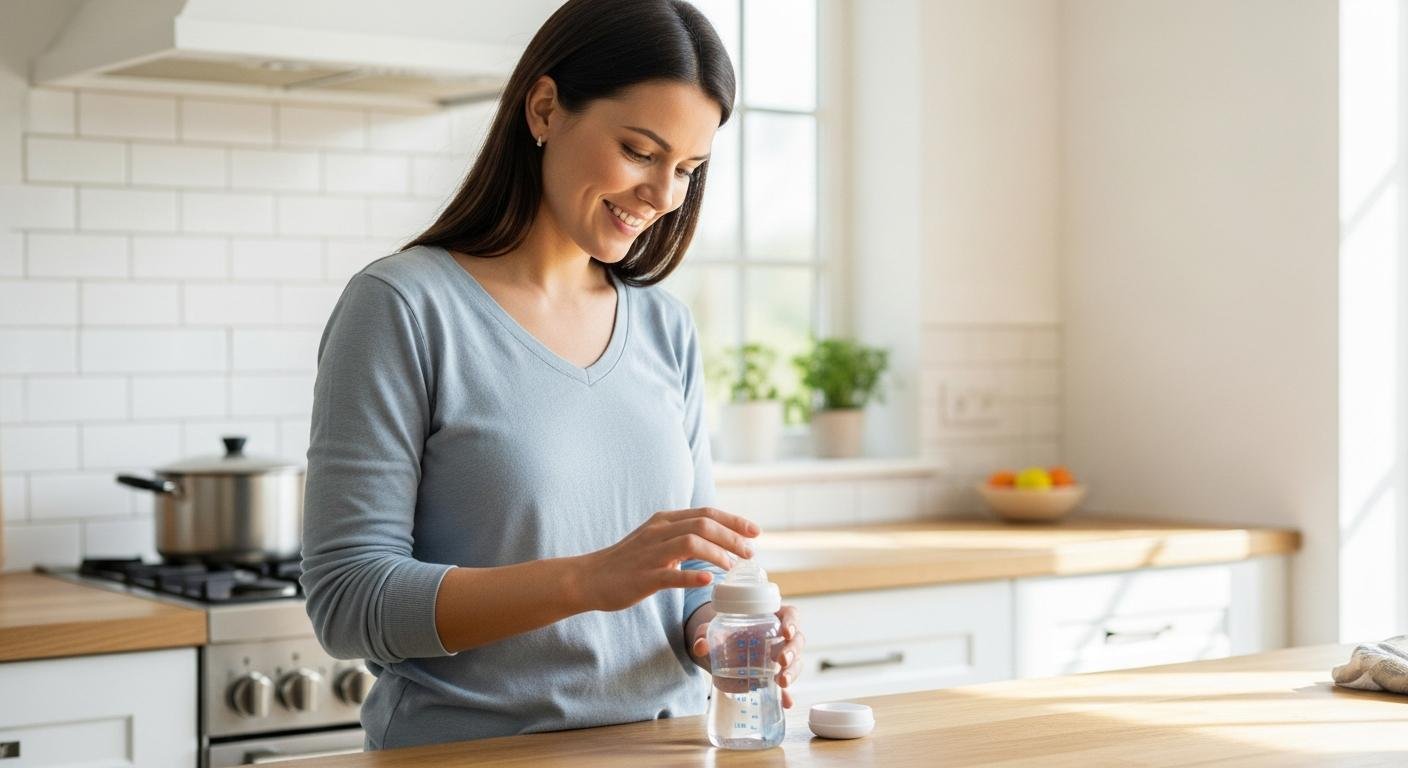
Water used to prepare baby formula deserves particular attention because the safety of the prepared formula depends on following the product’s preparation instructions and using an appropriate water source.
If you’re unsure about your household water, ask your pediatrician or local health authority for guidance rather than assuming that a particular filter makes the water suitable for every purpose.
It’s also important to remember that filtration and disinfection are not interchangeable. A filter designed to improve taste isn’t necessarily designed to address microorganisms.
That distinction matters.
Hard Water Can Create a Different Kind of Frustration
Some homeowners don’t notice their water quality until they’re cleaning the bathroom.
White deposits around faucets, cloudy shower glass, and scale on fixtures are common signs associated with hard water.
Hard water is primarily caused by dissolved calcium and magnesium. While it isn’t simply a matter of “dirty water,” excessive hardness can make cleaning more difficult and contribute to mineral buildup.
Water softeners are designed specifically to reduce hardness. If hardness is your main concern, testing first can help determine whether treatment is appropriate and how the system should be sized.
Think About Your Peak Water Usage
A system should be able to handle the way your household actually uses water.
Consider a typical morning. Two people shower. Someone runs the washing machine. The dishwasher is filling. Another person is brushing their teeth.
Those demands can overlap.
Treatment equipment needs adequate flow capacity to work without unnecessarily restricting the plumbing system.
When comparing systems, don’t only look at the size of the tank or the number of features. Ask about service flow rate, pressure requirements, regeneration cycles where applicable, and how the system performs during higher-demand periods.
Don’t Forget the Plumbing
Sometimes homeowners blame the water when the real issue is somewhere in the plumbing.
Older pipes, storage tanks, fixtures, and fittings can influence taste, odor, color, or sediment.
If the water looks different at one faucet but not another, that’s useful information. It may point toward a localized plumbing issue rather than a problem with the entire water supply.
Pay attention to patterns.
Does the issue happen only with hot water? Only after the water has been sitting overnight? Only at one fixture?
Those details can help a professional identify the cause more efficiently.
Maintenance Keeps Treatment Effective
A water treatment system isn’t magic. It needs attention.
Filters have replacement intervals. Salt-based systems require salt. Certain equipment needs cleaning or periodic servicing.
Ignoring those tasks can gradually affect performance.
It’s easy to forget a filter hidden underneath the kitchen sink because, well, you can’t see it. A calendar reminder is surprisingly useful.
Keep the installation information and maintenance schedule somewhere easy to find. If you move into a home with an existing treatment system, learn what equipment is installed before assuming everything is operating correctly.
Avoid Buying More Than You Need
Water treatment can become unnecessarily complicated when homeowners shop based on features instead of problems.
If taste is the only concern, you may not need a whole-home treatment system.
If hardness affects the entire property, a kitchen filter alone probably won’t solve the issue.
If there’s a specific contaminant concern, you need equipment designed and certified, where applicable, for that particular purpose.
The simplest effective solution is often the most practical one.
A Little Information Goes a Long Way
Good water treatment begins with curiosity rather than panic.
Notice what’s happening. Test when appropriate. Learn what the results mean. Then compare treatment options based on your actual needs.
Don’t let a long list of technical terms push you into a decision you don’t understand. Ask questions in plain language. A trustworthy professional should be comfortable explaining what a system does, what it doesn’t do, how often it needs maintenance, and what ownership will look like over time.
Make Water One Less Thing to Worry About
The best home improvements aren’t always the flashy ones.
Sometimes they’re the changes that quietly make everyday life easier. Water that tastes better. Fewer mineral deposits. Appliances that don’t have to fight through unnecessary scale. A kitchen faucet you actually enjoy using.
There’s no need to turn water treatment into a complicated project.
Start with the source. Understand the problem. Choose equipment for a reason, install it properly, and keep up with maintenance.
Do that, and the water running through your home can become what it should have been all along — something useful, dependable, and so ordinary that you barely have to think about it.