Most small business owners I’ve met didn’t start their business because they loved spreadsheets. They started because they were good at something — cooking, designing, fixing things — and accounting became this necessary evil sitting in the background. But understanding a few basic accounting principles genuinely changes how confidently you run your business.
I once sat with a shop owner who had no idea whether he was actually profitable — he just knew money came in and money went out. Once we separated his personal and business expenses and tracked things properly for a month, the picture looked completely different from what he assumed.
Why Basic Accounting Knowledge Matters, Even If You Hire an Accountant
You don’t need to become a chartered accountant. But you do need to understand what your numbers are telling you, so you can make decisions instead of just reacting to whatever’s left in your bank account at month-end.
Separate Business and Personal Finances
This is the single most common mistake new business owners make. Mixing personal and business money makes it nearly impossible to know your real profitability, and it creates a mess during tax season.
Open a separate bank account for your business, even if you’re a solo freelancer. It’s the easiest basic accounting principle to implement and probably the one with the biggest immediate impact.
Understand the Difference Between Revenue and Profit
Revenue is everything you earn. Profit is what’s left after expenses. Plenty of business owners feel “successful” because revenue looks good, without realizing expenses are quietly eating most of it.
- Revenue: total money coming in from sales
- Gross profit: revenue minus direct cost of goods/services
- Net profit: gross profit minus all operating expenses, taxes, and overhead
The Basics of Double-Entry Bookkeeping
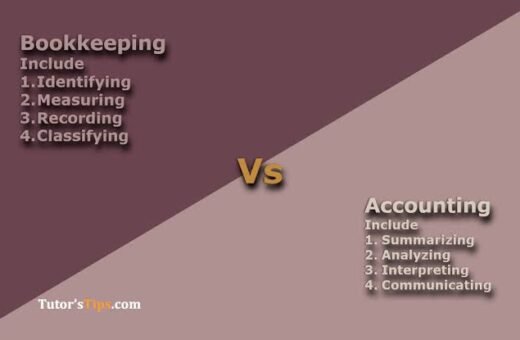
Every transaction affects at least two accounts — this is the foundation of formal accounting. If you buy raw material with cash, your cash account decreases and your inventory account increases.
You don’t need to manually maintain this if you’re using accounting software, but understanding the logic helps you actually read your financial statements instead of just glancing past them.
Track Cash Flow Separately From Profit
A business can be profitable on paper and still run out of cash — this catches a lot of growing businesses off guard, especially when customers pay late.
- Track when money actually enters and leaves your account, not just when invoices are raised
- Keep a cash buffer for slow months
- Follow up on unpaid invoices consistently — don’t let them slide
Know Your Break-Even Point
This tells you exactly how much you need to sell before you start making a profit, after covering fixed and variable costs. Most business owners never calculate this properly, and it genuinely changes how you price and plan.
Keep Records Consistently, Not Just at Tax Time
Trying to reconstruct a year of transactions in March, right before filing taxes, is a nightmare I’ve watched too many people go through. Weekly or at least monthly bookkeeping habits save enormous stress later.
Understand Basic Financial Statements
- Profit & Loss Statement — shows income and expenses over a period
- Balance Sheet — shows what you own (assets) versus what you owe (liabilities) at a point in time
- Cash Flow Statement — tracks actual cash movement in and out of the business
You don’t need to prepare these manually, but you should be able to read and understand what they’re telling you.
FAQ
Do I need an accountant if I understand basic accounting principles myself? Yes, especially for tax filing and compliance — but understanding the basics helps you communicate better with your accountant and catch errors or opportunities they might miss.
What’s the easiest accounting software for small businesses to start with? Tools like Tally, Zoho Books, or even a well-organized Google Sheets system work fine for very early-stage businesses before scaling to more robust software.
How often should I review my business finances? Weekly for cash flow, and at least monthly for a full profit and loss review, especially in the early stages of a growing business.
What’s the difference between an expense and an asset? An expense is consumed immediately for running the business (like rent or supplies), while an asset provides value over a longer period (like equipment or property).
Is it necessary to track every small expense in a small business? Yes — small, untracked expenses add up significantly over time and can distort your real profitability if left unrecorded.
[link to related guide about the difference between bookkeeping and accounting here]
Conclusion
You don’t need a finance degree to run your business responsibly — just a solid grip on these basic accounting principles: separating finances, understanding profit versus revenue, tracking cash flow, and reviewing your numbers consistently. Start with the simplest step this week — open a separate business bank account if you haven’t already. Everything else gets easier to manage once that foundation is in place.