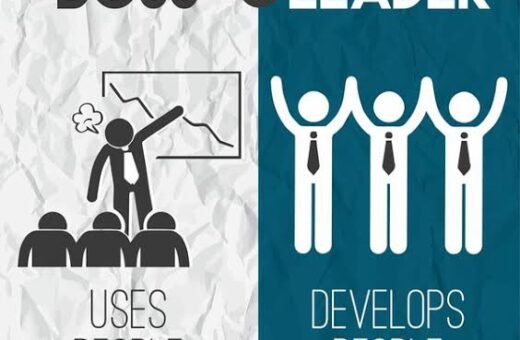
Getting promoted to manager doesn’t automatically make someone a good leader — I think most working professionals have a story about a manager who was technically brilliant but genuinely bad at leading people. The leadership skills that actually matter often have very little to do with technical expertise and a lot to do with how you handle people, decisions, and pressure.
I once worked under a manager who was excellent at the job herself but terrible at delegating — she’d redo everyone’s work instead of coaching them through it. The team’s growth basically stalled, even though the department’s output looked fine on paper.
Communication That Actually Lands
Good managers don’t just talk clearly — they check whether their message actually landed the way they intended. This means asking questions, inviting pushback, and adjusting when something isn’t understood.
Leadership skills around communication also include knowing when to listen more than you speak, which is harder than it sounds for people used to giving instructions.
Delegation Without Micromanaging
This is where a lot of new managers struggle. Delegating isn’t just handing off tasks — it’s trusting someone with the outcome, not just the steps.
- Give context and the “why,” not just instructions
- Set clear expectations upfront, then step back
- Check in at reasonable intervals, not every hour
Micromanagement usually comes from a manager’s own anxiety, not the employee’s actual competence.
Emotional Intelligence Under Pressure
How a manager reacts during a crisis — a missed deadline, an angry client, a mistake by a team member — shapes team trust more than almost anything else they do.
Staying calm, addressing the problem without attacking the person, and modeling composure genuinely rubs off on the team over time.
Decision-Making With Incomplete Information
Managers rarely get to make decisions with all the facts neatly laid out. Strong leadership skills include being comfortable making a reasonable call with 70% of the information, rather than freezing while waiting for certainty that never comes.
Giving Feedback That People Can Actually Use
Vague feedback (“good job” or “needs improvement”) doesn’t help anyone grow. Specific, timely, actionable feedback does.
- Be specific about what exactly worked or didn’t
- Give feedback close to when the event happened, not weeks later
- Balance recognition with constructive points — don’t save all feedback for annual reviews
Building Trust, Not Just Authority
Authority comes from a title. Trust has to be earned, usually through consistency — doing what you say you’ll do, protecting your team when needed, and being honest even when it’s uncomfortable.
Has a manager ever thrown you under the bus in front of senior leadership? That kind of moment destroys trust almost instantly, and it takes a long time to rebuild.
Adaptability as Teams and Situations Change
What worked for managing a team of three doesn’t necessarily work for managing fifteen. Good leaders adjust their style based on the person, the situation, and the stakes involved, rather than applying one rigid approach everywhere.
Self-Awareness About Your Own Blind Spots
The best managers I’ve worked with actively sought feedback about their own leadership style, rather than assuming they had it figured out. This kind of humility, honestly, is rarer than it should be.
FAQ
Can leadership skills be developed, or are some people just natural leaders? Most leadership skills can absolutely be developed with practice and intentional effort — very few people are naturally skilled at all of them from the start.
What’s the biggest leadership mistake new managers make? Micromanaging is probably the most common one, often stemming from anxiety about the team’s output reflecting on them personally.
How important is technical expertise compared to leadership skills for managers? Technical expertise matters early on for credibility, but as you manage larger teams, leadership and people skills become significantly more important than hands-on technical work.
Do introverted people make bad leaders? Not at all — introverted leaders often excel at listening, thoughtful decision-making, and one-on-one relationship building, which are all valuable leadership traits.
How can I improve my leadership skills without formal training? Regularly asking your team for honest feedback, reading widely about management, and reflecting on specific situations that went well or poorly are all effective, low-cost ways to improve.
[link to related guide about the difference between a boss and a leader here]
Conclusion
Strong leadership skills aren’t about having all the answers or being the loudest voice in the room — they’re built through consistent communication, genuine trust, and the ability to make sound decisions under pressure. If you’re managing a team right now, pick one skill from this list that you know needs work, and focus on it deliberately for the next month. Small, consistent improvement here compounds a lot faster than most managers expect.