Everyone seems to know someone who “started selling online and it took off.” What they usually don’t share is the messy, unglamorous part before that — figuring out what to sell, how to source it, and how to actually get the first order. Here’s exactly how to start an e-commerce business without the fairy-tale version.
I helped a friend launch a small home decor store online last year. The first month brought exactly three orders. She almost quit. By month five, steady tweaks to product photos, pricing, and ads got her to consistent daily sales. Nobody talks about that awkward middle stretch enough.
Choosing What to Sell
This decision shapes everything downstream, so don’t rush it. The strongest products usually sit at the intersection of genuine demand and something you can source or make reliably.
- Solve a specific problem, rather than being a generic, easily-copied product
- Check search volume and competitor presence for your product category
- Consider margins carefully — low-margin products need high volume to be worthwhile
Deciding on Your Business Model
How to start an e-commerce business depends heavily on which model fits your resources:
- Dropshipping — sell products without holding inventory yourself; lower risk, thinner margins
- Private label — manufacture your own branded version of an existing product type
- Handmade/manufactured goods — you make the product yourself
- Wholesale/reselling — buy in bulk from suppliers and resell at a markup
Beginners with limited capital often start with dropshipping or small-batch handmade goods before scaling into larger inventory models.
Setting Up Your Online Store
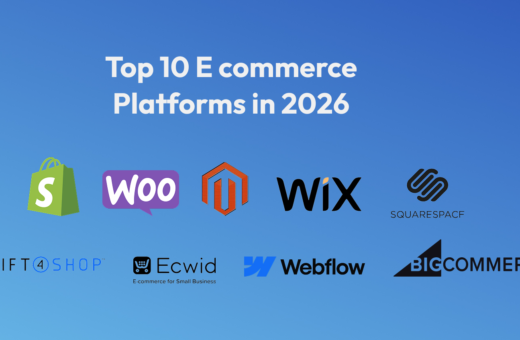
You don’t need custom-built software. Platforms like Shopify, WooCommerce, or even Instagram/WhatsApp catalogs work fine to start, especially for testing demand before investing heavily in a polished website.
- Use clear, high-quality product photos — this affects conversion more than almost anything else
- Write honest, specific product descriptions, not generic copy
- Make the checkout process as simple as possible
Sourcing Products Reliably
Whether you’re manufacturing, sourcing from wholesalers, or working with a dropshipping supplier, reliability matters more than the cheapest price. A supplier who delays orders constantly will damage your reputation faster than a slightly higher cost ever would.
Pricing Your Products Properly
New sellers frequently underprice, trying to compete purely on cost. Factor in product cost, packaging, shipping, platform fees, marketing spend, and your own time before settling on a price — otherwise you might be “selling” at a loss without realizing it.
Getting Your First Customers
How to start an e-commerce business successfully often comes down to this stage more than any other. Early traction usually comes from:
- Personal network and word of mouth for the first handful of sales
- Small, targeted social media ads once you have decent product photos
- Influencer or micro-influencer collaborations within your niche
- Organic content showing the product in real use
Handling Logistics and Delivery
Partner with reliable courier services early, and be upfront with customers about delivery timelines. Late or damaged deliveries are one of the fastest ways to generate bad reviews, regardless of how good your product actually is.
Building Trust as a New Online Seller
New customers are naturally cautious about buying from unfamiliar online stores. Clear return policies, visible contact information, genuine reviews, and secure payment options all help reduce this hesitation.
FAQ
How much money do I need to start an e-commerce business? It varies widely, but many small sellers start with anywhere from ₹10,000-₹50,000 for initial inventory, basic photography, and small ad tests, especially using dropshipping or small-batch models.
Which platform is best for starting an e-commerce business in India? Shopify and WooCommerce are popular for building dedicated stores, while many small sellers also start on marketplaces like Amazon, Flipkart, or Meesho before building their own website.
Is dropshipping still profitable in 2026? It can be, though margins are generally thinner than other models, and success depends heavily on picking the right niche and managing customer expectations around shipping times.
How long does it take for an e-commerce business to become profitable? Many new e-commerce businesses take six months to a year to become consistently profitable, though this varies significantly based on niche, marketing effectiveness, and capital available.
Do I need GST registration to sell online in India? Generally yes — most e-commerce marketplaces require GST registration to sell on their platform, regardless of your turnover level.
[link to related guide about the best e-commerce platforms compared here]
Conclusion
Learning how to start an e-commerce business genuinely comes down to picking the right product, setting up a simple but trustworthy store, and being patient through the slow early months while you figure out what actually converts. Start small — even a soft launch with a handful of products — and treat the first few months as a learning phase rather than expecting instant results. Most successful online stores had a rough, quiet start before things picked up.