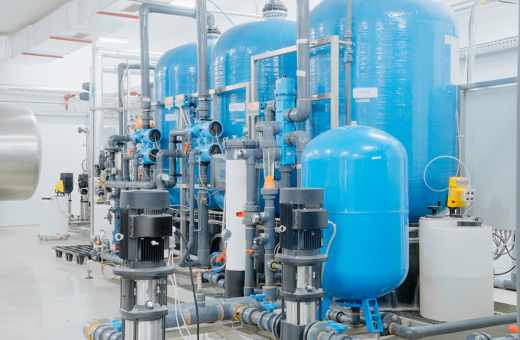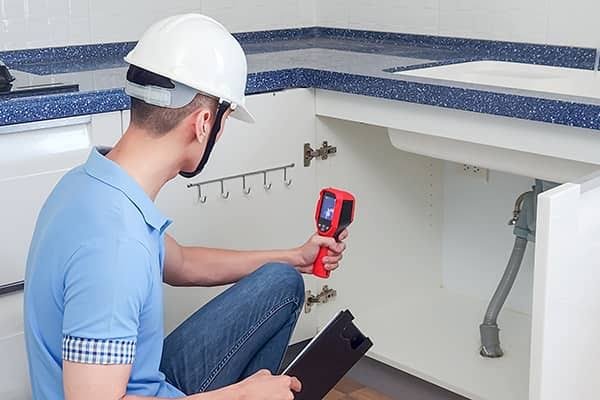
Water infrastructure rarely gets much attention when it’s working properly. That’s probably a good thing. In a busy office, restaurant, hotel, school, or other commercial property, people have plenty on their minds already. They expect the faucet to work, the drinking station to dispense clean-tasting water, and equipment connected to the supply to do its job.
Then something changes.
The water pressure drops. A dispenser tastes different. Mineral deposits appear around fixtures. A coffee machine starts requiring frequent cleaning. Suddenly, a part of the building’s infrastructure that was almost invisible becomes everyone’s problem.
Keeping commercial water equipment dependable isn’t about reacting quickly every time something fails. A little planning, regular inspection, and sensible treatment choices can prevent many headaches before they become expensive.
Start With an Understanding of the Water
No two commercial properties are exactly alike.
A building may receive treated municipal water, private well water, or water from another source. Local geology, plumbing materials, building age, and daily consumption can influence the characteristics of the supply.
Before selecting treatment equipment, it’s worth understanding what the water actually contains. Testing may identify hardness, chlorine, sediment, iron, pH, total dissolved solids, and other characteristics.
That information gives facility managers something concrete to work with.
Instead of choosing a filter because its label sounds impressive, they can select equipment designed for the property’s specific needs.
Good Equipment Still Needs Attention
It’s tempting to think that once a treatment system is installed, the job is finished.
It isn’t.
Regular maintenance keeps filtration equipment operating as intended. Filters eventually become saturated. Membranes wear over time. Water softeners require regeneration and service. Dispensers need cleaning and sanitation.
Ignoring these tasks doesn’t necessarily cause an immediate failure. That’s what makes maintenance easy to overlook. Performance can gradually decline while the equipment continues to appear perfectly normal.
A basic maintenance schedule can prevent that slow slide.
Record filter replacement dates, inspections, repairs, and other service work. If several people manage a facility, keeping those records in one place makes it easier for everyone to know what’s been done.
Commercial Properties Have Different Demands
A small office may use relatively little water compared with a restaurant or hotel.
That difference matters.
Commercial customers often have fluctuating water demand, with periods of heavy usage followed by quieter stretches. Restaurants may have major peaks around meal service. Offices can see concentrated demand in the morning and around lunch. Hotels and fitness facilities can experience significant usage throughout the day.
Treatment equipment should be sized around those realities.
Flow rate and pressure are just as important as filtration capacity. An undersized system can restrict delivery when demand rises. An oversized system may increase purchase and operating costs without providing a meaningful advantage.
The goal is capacity that matches the building—not the biggest equipment available.
Drinking Water Is a Daily Experience
People notice drinking water more than businesses sometimes expect.
If water tastes fresh and is conveniently available, employees are more likely to use it. If the dispenser tastes strongly of chlorine or has an unpleasant odor, people may quietly switch to bottled beverages.
Bottleless dispensers and point-of-use filtration can provide a convenient alternative to traditional bottled-water delivery.
These systems connect to the building’s water supply and treat the water before dispensing it. They can also eliminate the need to store and replace heavy bottles.
But they still require routine filter changes and cleaning. A bottleless dispenser isn’t maintenance-free; it simply changes how the water is supplied.
Hard Water Can Affect Equipment
Hardness is another common consideration.
Water containing elevated levels of calcium and magnesium can leave mineral deposits on surfaces and inside equipment. Heating water can make the problem more noticeable.
Coffee machines, ice makers, dishwashers, water heaters, and other equipment can be affected by scale depending on the water chemistry and operating conditions.
A water softener or scale-control system may be appropriate in some facilities.
But again, testing comes first.
If hardness isn’t significant, installing expensive treatment solely because hard water is common may not make financial sense.
Sediment Deserves Attention Too
Sediment can enter water supplies for several reasons.
Private wells may contain naturally occurring particles, while plumbing work or changes in supply conditions can introduce suspended material into a building. Even small amounts can create problems for sensitive equipment.
A properly selected sediment filter can capture particles before they reach downstream components.
The filter needs to be matched to the particle size and expected flow, though. A cartridge that clogs constantly isn’t protecting the business effectively. It’s creating another operational task.
Don’t Assume Every Water Problem Is a Filtration Problem
This is an important distinction.
If one faucet has low flow, the cause could be a clogged aerator. If water suddenly turns rusty, plumbing corrosion or maintenance work may be involved. If a dispenser develops an unusual taste, the cartridge may simply be overdue for replacement.
Treatment equipment can’t solve every plumbing issue.
Facility managers should look at where the problem occurs and when it started.
If only one fixture is affected, investigate locally. If every faucet changes at the same time, the issue may be farther upstream.
A few minutes of troubleshooting can prevent an unnecessary equipment purchase.
Installation Should Consider Future Service
Where equipment is installed matters almost as much as what equipment is selected.
Filters need to be accessible. Shutoff valves should be easy to reach. Drainage connections need to be properly planned where required. Electrical access may be necessary for some systems.
Don’t cram equipment into whatever tiny space happens to be available.
A technician will eventually need to change a filter, inspect a connection, or repair a component. If accessing the system requires moving half the storage room, routine service becomes much less likely to happen on time.
Good installation anticipates maintenance rather than treating it as an afterthought.
Different Water Systems Serve Different Purposes
There isn’t one universal filtration system for every commercial building.
Water systems may be designed for drinking water, whole-building treatment, equipment protection, softening, or specialized applications. Each has different requirements.
A restaurant may need treatment that supports food preparation and protects expensive equipment. An office may primarily need pleasant-tasting drinking water. A manufacturing operation may have much more specific water-quality requirements.
The purpose should determine the technology.
This sounds obvious, but it’s surprisingly easy to get distracted by features and forget the original problem.
Keep an Eye on Operating Costs
Initial equipment cost is only one part of the budget.
Commercial properties should consider filter replacement, service visits, consumables, electricity, water usage, and potential downtime.
A system with a low purchase price may become expensive if filters need frequent replacement. Another system may cost more initially but provide greater capacity or longer service intervals.
It’s worth looking at the expected cost over several years rather than comparing only the first invoice.
Reliability has value too. If equipment failure interrupts business operations, the indirect cost can be much higher than a replacement filter.
Train the People Who Use the Equipment
Even the best water system can be undermined by poor everyday practices.
Employees should know not to block access panels, unplug equipment unnecessarily, or ignore obvious leaks. Someone should be responsible for reporting unusual tastes, noises, pressure changes, or visible problems.
This doesn’t require a complicated training program.
A short set of instructions and a clear point of contact can make a big difference.
When people know what normal operation looks like, unusual behavior gets noticed earlier.
Build a Routine, Not a Reaction
Reliable water treatment is mostly about consistency.
Test the water when appropriate. Choose equipment according to actual conditions. Install it thoughtfully. Track service dates. Replace filters before they become a problem. Investigate unusual changes instead of working around them indefinitely.
There will still be the occasional surprise. That’s part of owning any commercial property.
But routine attention can keep small problems from turning into major disruptions.
Water may not be the most exciting part of running a business, and nobody expects employees to gather around a filtration unit for fun. It doesn’t need to be exciting.
It needs to work.
When the right equipment is properly sized, sensibly installed, and maintained on schedule, water infrastructure can stay quietly in the background where it belongs—supporting the business without becoming another daily problem to solve.