Water doesn’t usually get much attention in a commercial building. People notice the coffee machine, the air conditioning, the kitchen equipment, maybe the lighting. Water just arrives when a tap is opened and disappears down a drain.
Yet for many businesses, water quietly touches almost everything.
Restaurants use it to cook, clean, make drinks, and produce ice. Hotels depend on it for guest rooms, laundry, kitchens, and housekeeping. Offices need reliable drinking water and functional restrooms. Manufacturing facilities may use water directly in production or for equipment.
When water quality isn’t well suited to the application, little problems can start appearing everywhere. Scale builds up. Filters clog. Equipment needs more frequent cleaning. Employees spend time dealing with issues that shouldn’t have been there in the first place.
Good water treatment isn’t about making water “perfect.” It’s about making the water appropriate for the job.
Start With the Water, Not the Sales Brochure
It’s surprisingly easy to choose a treatment system based on features alone. Bigger capacity sounds better. More filtration stages sound better. A longer list of technical specifications can look impressive.
But none of that matters if the equipment doesn’t address the actual water conditions in the building.
Commercial facilities can experience hardness, sediment, chlorine, iron, unpleasant odors, dissolved minerals, and other concerns. The source of the water and the location of the facility both matter.
Testing can help establish a baseline. Once you know what you’re dealing with, you can decide whether filtration, softening, purification, or a combination of approaches makes sense.
This prevents businesses from paying for treatment they don’t need while overlooking the issues they actually have.
Protect the Equipment That Keeps the Business Moving
Water-using equipment can be expensive, and much of it isn’t particularly forgiving.
Coffee machines, ice makers, dishwashers, boilers, beverage dispensers, heaters, and other systems can be affected by mineral deposits or sediment. When buildup occurs inside components, performance can gradually decline.
That’s one reason equipment protection is such an important part of commercial water treatment.
The goal isn’t simply to make the water taste better. Properly selected treatment can help reduce conditions that contribute to scale, clogging, or other water-related equipment problems.
Think of it as preventive maintenance for the water itself.
Hard Water Can Create a Quiet Maintenance Burden
Hard water contains calcium and magnesium. These minerals aren’t necessarily dangerous, but they can become a headache for commercial operations.
Scale can collect on heating elements, inside pipes, and around fixtures. In a restaurant, that might mean more frequent cleaning of dishwashing equipment. In a hotel, it may show up as deposits on shower fixtures and glass. In a facility with water heaters, scale can interfere with heat transfer.
The important point is that hardness affects more than appearance.
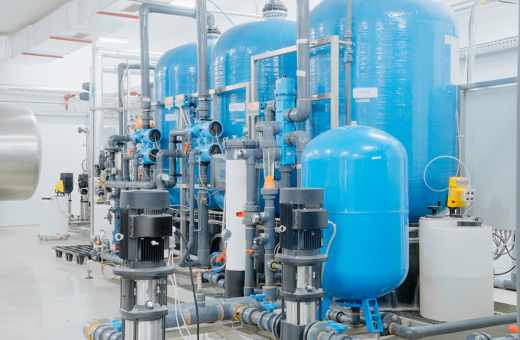
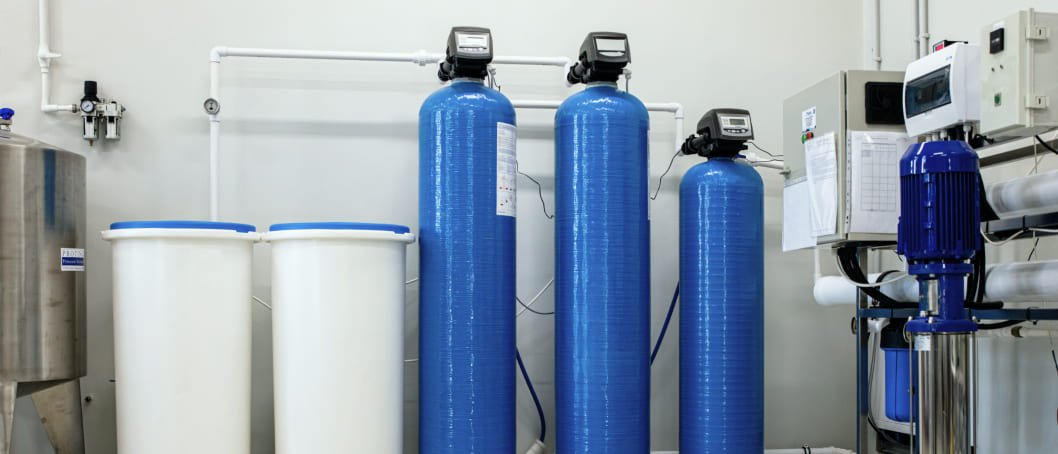
If testing shows that hardness is high enough to cause operational problems, water softening may be worth considering. The system should be sized according to actual usage and peak demand rather than selected simply because it has a large capacity.
Filtration Needs to Match the Application
A filter designed for drinking water isn’t necessarily the right filter for an ice machine or industrial process.
Sediment filtration, carbon filtration, softening, and other treatment methods each have different purposes. Some reduce particles. Some improve taste and odor. Others target specific minerals or chemical characteristics.
This is where understanding water treatment needs becomes important.
Look at the applications individually. What water does the kitchen require? What does the ice machine need? Is drinking water the main concern? Does production depend on specific water chemistry?
Once those questions are answered, equipment selection becomes much more straightforward.
Peak Demand Can Change Everything
A treatment system might perform perfectly during a quiet period and struggle during the busiest part of the day.
Restaurants are a good example. During a rush, multiple sinks may be running while dishwashers, ice machines, beverage equipment, and other fixtures are drawing water. Hotels can experience similar peaks during mornings or check-in periods.
System sizing should account for these moments.
Flow rate, pressure, pipe size, equipment requirements, and peak demand all need consideration. An undersized system can restrict water delivery, while an oversized system may increase unnecessary costs.
The right balance matters.
Water Quality Can Influence Products
For businesses that serve food and beverages, water is often an ingredient whether they think of it that way or not.
Coffee, tea, ice, soups, fountain drinks, and even certain prepared foods depend on water. Changes in taste, mineral content, or other characteristics can influence the final product.
A café might have excellent coffee beans and a skilled barista, but if the water chemistry isn’t suitable, the finished drink may still taste disappointing.
Consistency is particularly important. Customers expect the same experience on Tuesday that they had on Friday.
Appropriate treatment can help businesses create more predictable water conditions for sensitive applications.
Maintenance Is Part of the Design
One common mistake is thinking about maintenance after installation rather than before it.
Filters need replacement. Softening systems require attention. Treatment media may eventually need servicing. Connections and valves should be inspected, and certain equipment requires periodic sanitation.
A good commercial setup should make these tasks manageable.
Ask how often components need to be serviced, what replacement parts cost, and who will perform the work. If a filter is difficult to access, routine maintenance may get postponed. And postponed maintenance tends to become expensive maintenance.
Think About Operational Efficiency
Every minute spent fixing a preventable water-related problem is time taken away from the business.
Employees shouldn’t have to repeatedly scrub scale from equipment. Managers shouldn’t need to arrange emergency repairs because a neglected filtration system finally failed. Kitchen staff shouldn’t be troubleshooting water pressure in the middle of a busy service.
Well-designed treatment can contribute to operational efficiency by reducing some of these recurring interruptions.
It’s not a magic solution, and it won’t eliminate every maintenance issue. But controlling water-related problems can help businesses operate with fewer unnecessary distractions.
Don’t Choose Based on Price Alone
The lowest upfront price can be tempting, especially when budgets are tight.
But commercial equipment should be evaluated over its expected life. Replacement filters, service, consumables, energy use, water waste, installation, and repairs all contribute to the true cost.
A slightly more expensive system may be more economical if it lasts longer, requires less frequent attention, or better protects valuable equipment.
Ask for the complete picture rather than focusing only on the initial quote.
Installation Deserves Careful Planning
Commercial treatment equipment needs to fit the building.
There should be adequate space for installation and future servicing. Plumbing connections, drainage, electrical requirements, pressure conditions, and accessibility all need to be considered.
Location matters, too. A system placed in a difficult-to-reach corner may technically work, but it can become a maintenance headache.
Professional installation can help make sure the equipment is configured correctly and suited to the facility’s infrastructure.
The Provider Matters After Installation
Water treatment isn’t finished when the system is switched on.
Businesses need replacement components, service, troubleshooting, and advice when conditions change. A reliable provider should be able to explain how the system works and what needs to happen to keep it performing properly.
That’s particularly valuable for facilities without dedicated water-treatment expertise.
Good support means fewer surprises and a clearer plan when something needs attention.
A Better Approach to Commercial Water
Commercial water treatment works best when it’s treated as part of the larger operation rather than an isolated equipment purchase.
Start with testing. Understand the water and where it’s being used. Consider peak demand. Match treatment to specific applications, protect valuable equipment, and plan maintenance from the beginning.
The payoff may not always be dramatic or immediately visible—and that’s actually a good thing.
When water treatment is doing its job, equipment runs smoothly, employees aren’t distracted by avoidable problems, and customers simply get the experience they came for.
Sometimes the most valuable improvements in a business are the ones nobody notices.
Reliable water is one of them.